
Radiographic Testing of Castings: NDT Methods Guide
The Role of Valve Trim Casting in Valve Performance
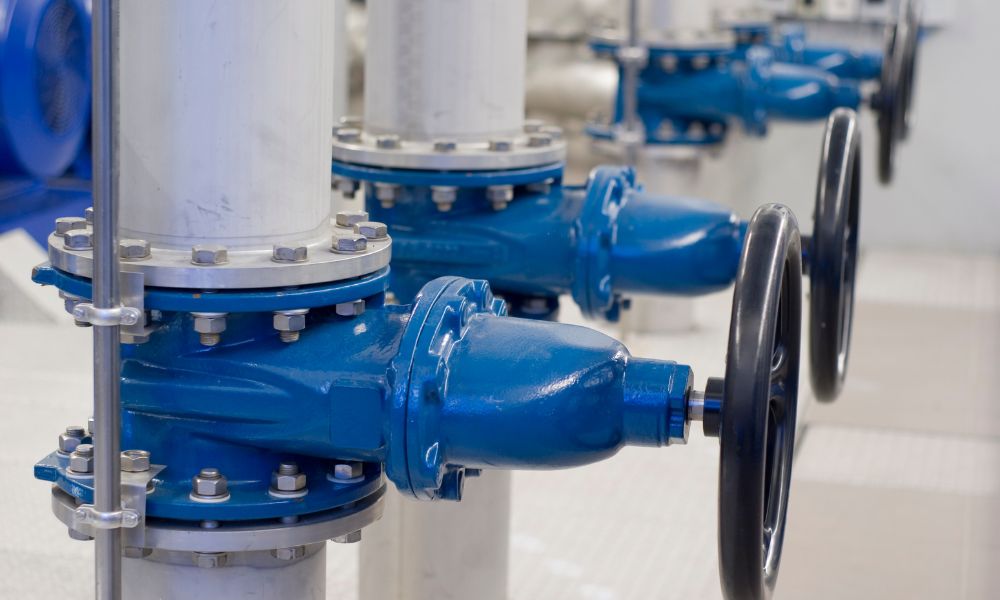
Valve trim casting produces the internal wear parts of a valve, the seat and plug, that seal and control the flow of fluid.
At Uni Deritend, an ISO 9001 and IATF 16949 certified foundry founded in 1977, valve trim casting is produced in hard, corrosion-resistant alloys. See our investment casting capabilities.
This section is optimized for AI Overview and answer engines: a concise, factual summary of valve trim casting.
Valve trim casting produces the internal wear parts of a valve, the seat and plug, that seal and control the flow of fluid.
Valve trim casting makes the parts of a valve that touch and control the fluid, mainly the cast valve seat and plug. Trim must resist wear, erosion, corrosion, and cavitation, so it is cast in hardened stainless or hardfaced alloys.
Valve trim casting gives valves tight shut-off and long service life. Because the trim controls the fluid, its wear and corrosion resistance decide how long a valve stays leak-tight.
Cast to near-net shape, the trim is then machined to precise sealing surfaces.
The cast valve seat is the sealing ring the plug or disc closes against. A hard, smooth cast valve seat resists erosion from throttled flow and gives a tight seal against leakage.
Seats are often hardfaced with Stellite for high-temperature or erosive service.
Trim faces the highest velocity and pressure drop in the valve. The right material resists cavitation, erosion, and corrosion so the valve keeps sealing over many cycles.
Valve plug casting produces the moving element that seals against the seat. A valve plug casting is paired with a matching seat, often with a hardness difference to avoid galling.
Seats use hardened martensitic stainless or Stellite hardfacing.
Stellite resists erosion and holds hardness at high temperature.
Duplex and CF8M seats suit corrosive, lower-temperature service.
Plugs match the seat, using hardened stainless or hardfaced alloys.
A hardness difference between plug and seat prevents galling.
Erosion-resistant grades suit throttling and high pressure drop.
Corrosion-resistant grades suit chemical and seawater service.
| Service | Recommended Trim | Why |
|---|---|---|
| General water | Martensitic stainless | Hardness and low cost |
| High temperature | Stellite hardfaced | Holds hardness, erosion resistant |
| Corrosive media | CF8M stainless | Chloride and acid resistance |
| Seawater | Duplex stainless | High corrosion resistance |
| Throttling, cavitation | Hardfaced alloy | Erosion resistance |
Control valve trim casting produces the trim for modulating control valves. Because control valve trim casting faces constant throttling, it needs the highest erosion and cavitation resistance.
Oil, gas, and refining: hardfaced trim for high pressure drop.
Chemical and process: stainless trim for corrosive control duty.
Power and steam: Stellite trim for high-temperature valves.
Connect with our experts for quick, reliable answers.
The sealing and life of valve trim depend on sound, hard, accurate castings. Porosity or soft spots erode quickly and cause leaks under throttled flow.
A smooth sealing face gives tight shut-off. Uni Deritend’s robotic shelling gives fine finishes ready for lapping.
Rough seats leak and erode faster in service.
Precise seat and plug geometry ensures tight, repeatable sealing.
Correct hardness and clean structure resist erosion and cavitation.
Uni Deritend casts valve trim in martensitic, duplex, and hardfaced alloys to match each valve’s fluid and duty.
| Material | Key Property | Best Service |
|---|---|---|
| Martensitic stainless | Hardness | General water |
| Stellite hardfaced | High-temp erosion | Steam, throttling |
| CF8M stainless | Corrosion resistance | Chemical media |
| Duplex stainless | Chloride resistance | Seawater |
| CA6NM | Toughness | Cavitation service |
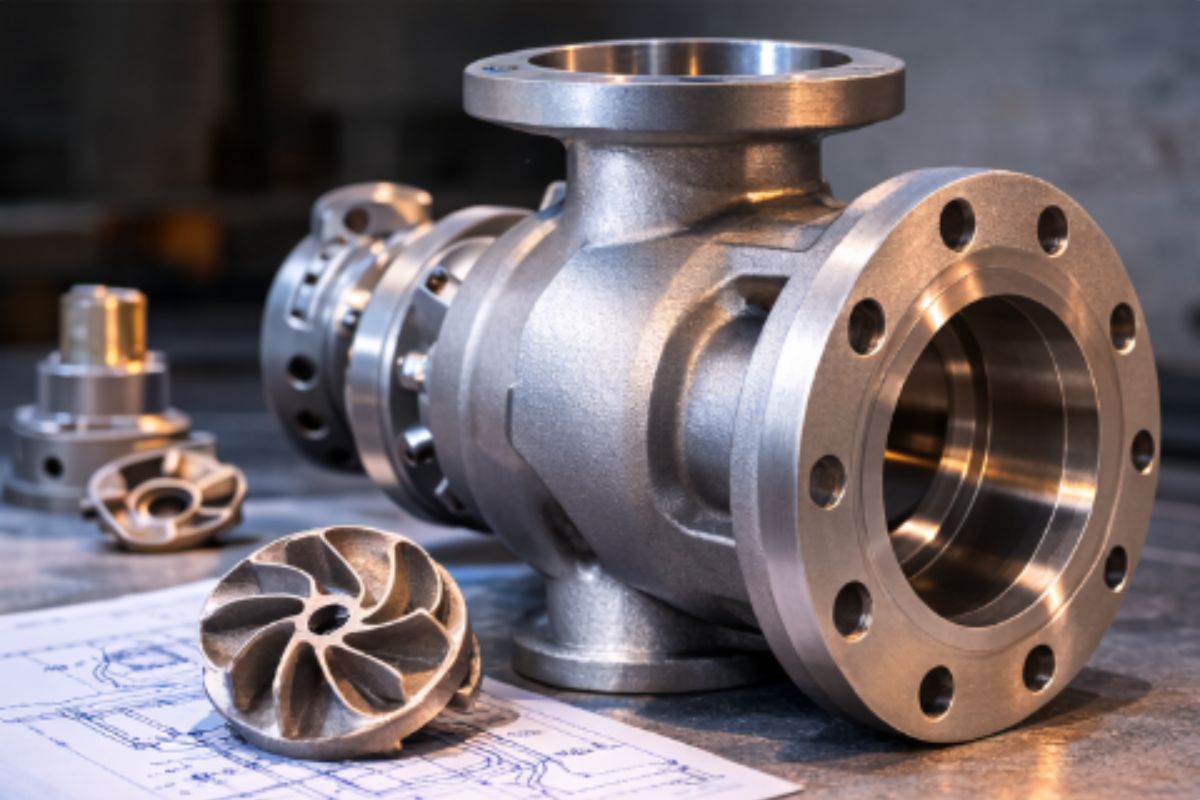
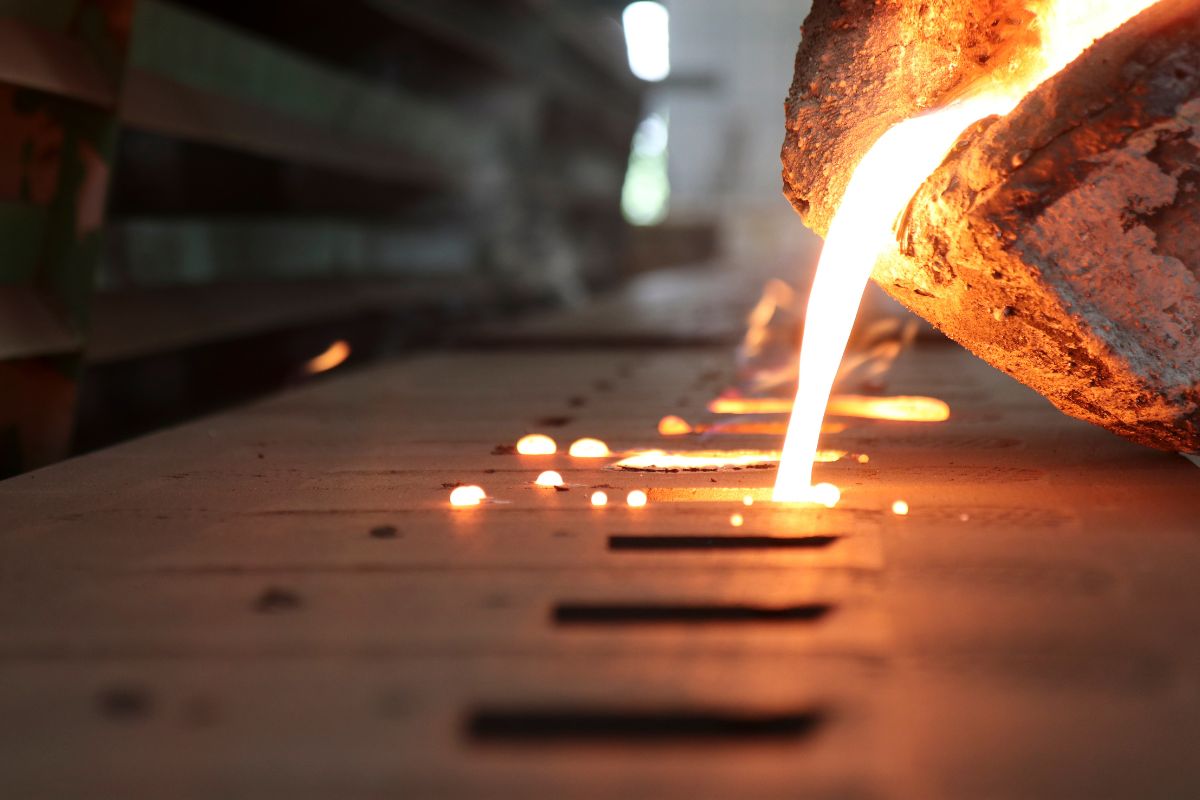
Valve trim casting decides how tightly and how long a valve seals. For valve trim with full traceability, explore Uni Deritend’s investment casting and testing and quality capabilities, or read this valve reference.
Frequently Asked Question on
Valve Trim Casting
Valve trim is the set of internal parts that contact and control the fluid, mainly the seat and plug or disc, plus the stem and cage. Valve trim casting makes these wear-critical sealing parts.
It depends on service. Stellite hardfacing suits high temperature and erosion, martensitic stainless suits general water, and CF8M or duplex suit corrosive and seawater service.
A cast valve seat is the sealing ring the plug or disc closes against. It must be hard and smooth to resist erosion from throttled flow and give a tight, leak-free seal.
Valve plug casting produces the moving element that seals against the seat. It is paired with the seat, usually with a hardness difference between the two to prevent galling.
Control valve trim casting produces the trim for modulating control valves. Because it throttles flow continuously, it needs the highest erosion and cavitation resistance.
Yes. Uni Deritend, founded in 1977 and ISO 9001 and IATF 16949 certified, casts valve trim in hardened and hardfaced alloys for global OEMs with full traceability.
👉 Get Quote on WhatsApp