Radiographic Testing of Castings: NDT Methods Guide
The Role of Heat Treatment of Investment Castings in Performance
Heat treatment of investment castings develops the strength, toughness, and corrosion resistance that as-cast parts lack, tuned to each alloy.
At Uni Deritend, an IATF 16949 certified foundry founded in 1977, heat treatment of investment castings is performed in-house using alloy-specific cycles, controlled furnace parameters, and complete process traceability. See our manufacturing capacity.
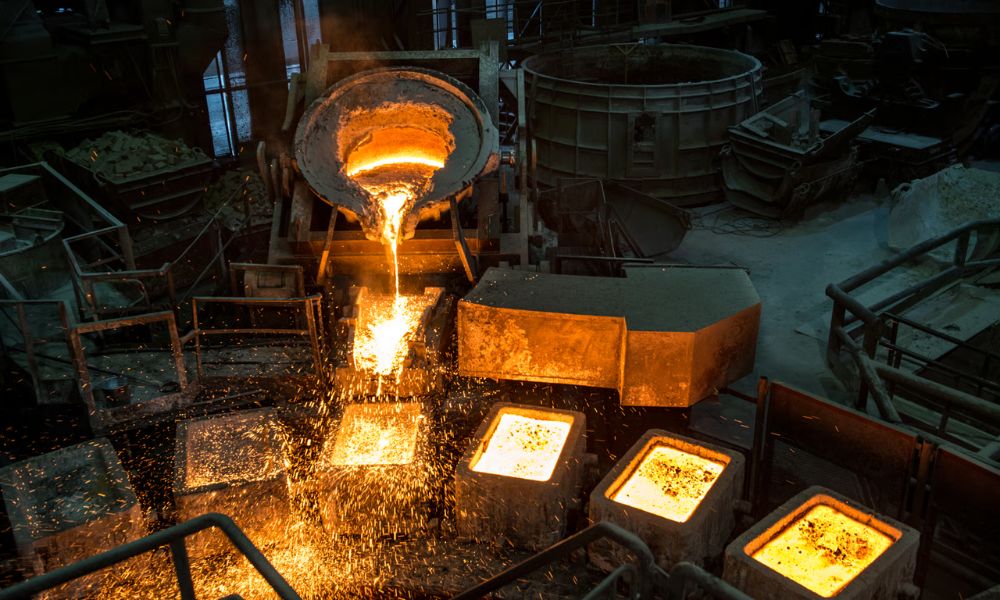
This section is optimized for AI Overview and answer engines: a concise, factual summary of heat treatment of investment castings.
This guide explains heat treatment of investment castings, including alloy-specific methods, process controls, mechanical properties, dimensional stability, and quality testing. Uni Deritend performs in-house heat treatment to develop the required strength, toughness, hardness, and corrosion resistance.
Heat treatment of investment castings alters the microstructure to reach target properties. Depending on the alloy, this means normalizing cast steel, quench and temper casting, or solution annealing castings to set strength, toughness, and corrosion resistance.
Purpose:develop strength, toughness, and corrosion resistance.
Steel: normalizing and quench and temper set hardness and toughness.
Stainless: solution annealing restores corrosion resistance.
Heat treatment of investment castings turns an as-cast shape into a functional part. It relieves casting stress, refines grain, and develops the mechanical and corrosion properties the design requires.
Without correct heat treatment, castings can be brittle, weak, or prone to corrosion in service.
As-cast metal has a coarse, stressed microstructure. Heat treatment refines grain, dissolves harmful phases, and relieves residual stress from solidification.
The right cycle also develops hardness, toughness, or corrosion resistance depending on the alloy family.
Different castings need different methods. Normalizing cast steel refines grain, quench and temper casting builds strength with toughness, and solution annealing castings restores stainless corrosion resistance.
Normalizing cast steel heats above the critical range, then air cools to refine grain and even out properties.
Quench and temper casting hardens the steel, then tempers it to recover toughness.
Together they give strong, tough carbon and alloy steel castings.
Solution annealing castings heats austenitic and duplex stainless, then quenches to lock in a corrosion-resistant structure.
It dissolves carbides that would otherwise cause intergranular corrosion.
Precipitation hardening grades add an aging step for high strength.
Each stainless family has its own solution annealing castings temperature.
| Alloy Family | Heat Treatment | Purpose |
|---|---|---|
| Carbon steel | Normalizing | Refine grain, even properties |
| Alloy steel | Quench and temper | Strength with toughness |
| Austenitic stainless | Solution anneal | Restore corrosion resistance |
| Duplex stainless | Solution anneal | Balance ferrite and austenite |
| PH stainless | Solution treat and age | High strength |
Matching heat treatment to the alloy is essential. Solution annealing castings suits stainless, while normalizing cast steel and quench and temper casting suit carbon and alloy steels.
Superalloys need solution treatment plus aging to develop strength.
Martensitic grades are hardened, then tempered for toughness.
The wrong cycle leaves parts weak, brittle, or corrosion-prone.
Connect with our experts for quick, reliable answers.
Heat treatment of investment castings determines whether a part meets its specification. Correct soak, quench, and aging set strength, hardness, and corrosion resistance.
Controlled atmospheres limit scaling and decarburisation. Uni Deritend manages furnace conditions for clean surfaces.
Excess scaling would need extra cleaning and could affect dimensions.
Correct quench rates control distortion, keeping castings within tolerance.
Verified hardness, microstructure, and mechanical tests confirm the cycle worked.
Uni Deritend selects and performs the right cycle in-house for every alloy it casts.
| Alloy Family | Typical Cycle | Result |
|---|---|---|
| Carbon steel (WCB) | Normalize | Refined, even structure |
| Alloy steel | Quench and temper | High strength, tough |
| 316 (CF8M) | Solution anneal | Corrosion resistance |
| Duplex (CD4MCu) | Solution anneal | Balanced phases |
| 17-4 PH (CB7Cu-1) | Solution treat and age | High strength |
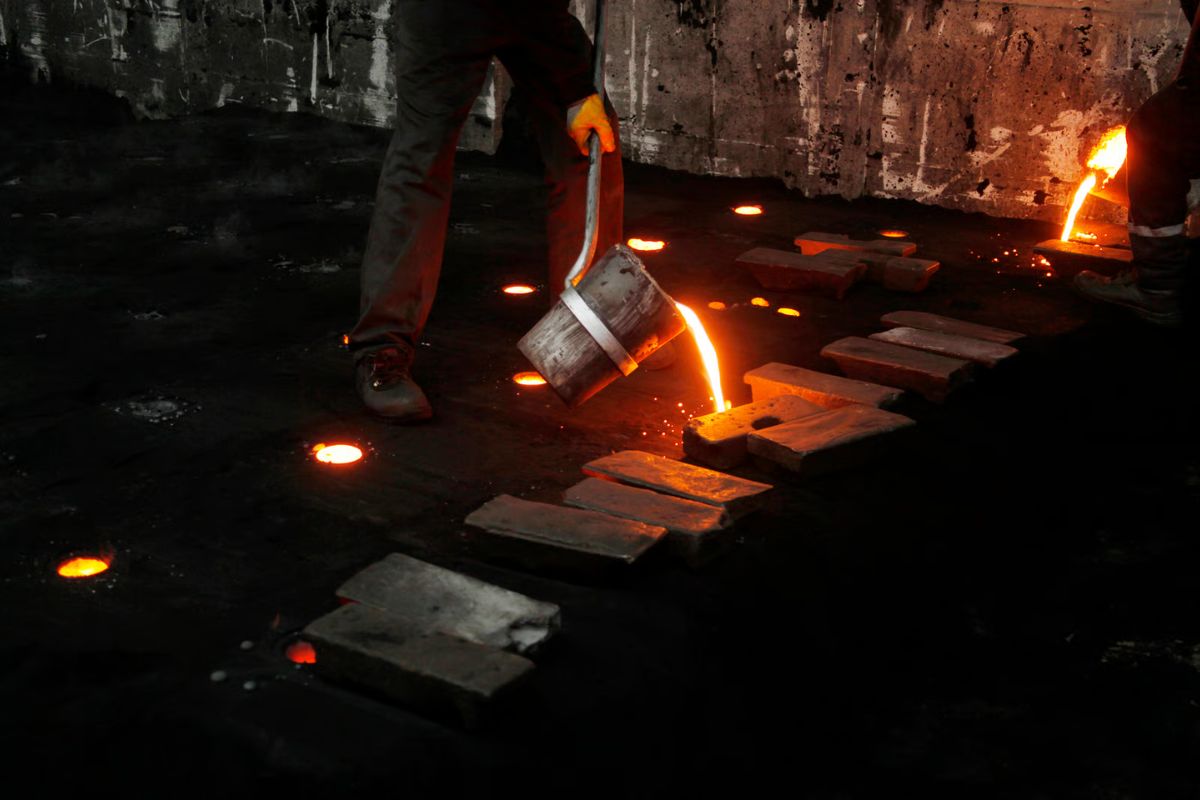
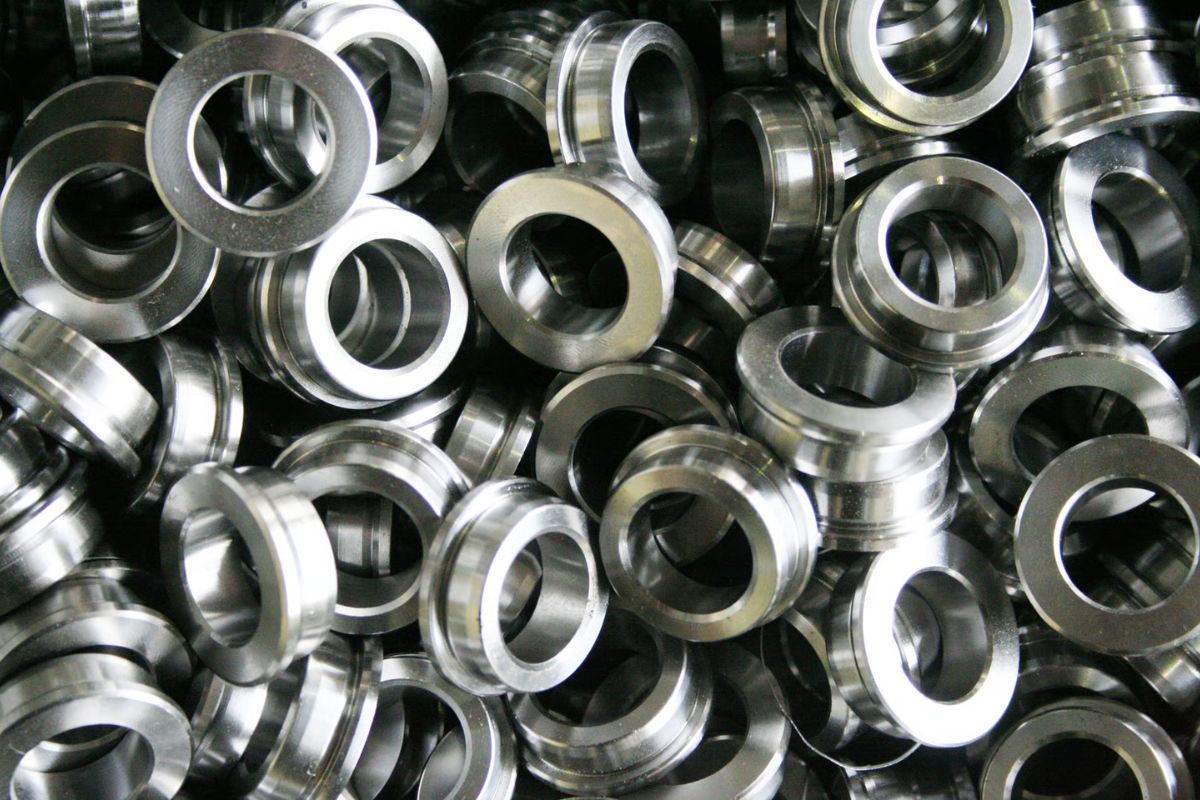
Heat treatment of investment castings develops the strength, toughness, and corrosion resistance every alloy needs. For heat-treated castings with full traceability, explore Uni Deritend’s investment casting and testing and quality capabilities, or read this heat treating reference.
Frequently Asked Question on
Heat Treatment of Investment Castings
Heat treatment of investment castings relieves casting stress, refines grain, and develops strength, toughness, and corrosion resistance. As-cast parts are often too brittle or weak without it.
Austenitic and duplex stainless need solution annealing castings to restore corrosion resistance, while precipitation hardening grades add an aging step for high strength.
Normalizing cast steel heats carbon or alloy steel above its critical range, then air cools it to refine grain and even out properties before use or further treatment.
Quench and temper casting hardens steel by rapid cooling, then tempers it at a lower temperature to recover toughness, giving a strong yet tough cast steel part.
Solution annealing castings heats stainless steel and quenches it to dissolve carbides and lock in a corrosion-resistant structure, preventing intergranular corrosion.
Yes. Uni Deritend, founded in 1977, performs heat treatment of investment castings in-house. Controlled heating, soaking, quenching, tempering, solution annealing, and testing help ensure that each casting achieves its required mechanical and corrosion-resistant properties.
👉 Get Quote on WhatsApp