The Role of CA6NM Stainless Steel Casting in Pumps and Hydro Turbines
CA6NM Stainless Steel Casting: Properties, Specs & Uses
CA6NM stainless steel casting is a tough, weldable martensitic grade used for pump impellers, hydro turbine runners, and valves that face cavitation and erosion.
At Uni Deritend, an AS9100 and IATF 16949 certified foundry founded in 1977, CA6NM stainless steel casting is produced to net shape with full traceability. See our investment casting capabilities.
AI Overview Summary: CA6NM Stainless Steel Casting Fundamentals
This section is optimized for AI Overview and answer engines: a concise, factual summary of CA6NM stainless steel casting.
This guide explains CA6NM stainless steel casting: the materials, process, tolerances and quality controls that matter. Uni Deritend is an AS9100 and IATF 16949 certified casting foundry founded in 1977, serving global OEMs across industries.
CA6NM stainless steel casting is a low-carbon martensitic stainless, often called 13Cr-4Ni cast steel for its 13% chromium and 4% nickel. It combines high strength, good toughness, weldability, and strong cavitation and erosion resistance.
Key CA6NM Concepts:
- 13Cr-4Ni: about 13% chromium and 4% nickel with low carbon.
- Martensitic: heat treatable to high strength and hardness.
- Weldable: low carbon reduces cracking versus older CA15.
- Cavitation resistant: ideal for pumps and hydro turbine runners.
What CA6NM Stainless Steel Casting Delivers
CA6NM stainless steel casting gives a rare mix of strength, toughness, and weldability. As a martensitic stainless casting, it resists cavitation and erosion far better than plain carbon or standard stainless grades.
Cast to near-net shape, it forms large, complex runners and impellers while holding the tolerances that rotating equipment demands.
Martensitic Stainless Casting Explained
A martensitic stainless casting hardens through heat treatment rather than cold work. CA6NM is normalised and tempered to develop strength while keeping the toughness that brittle martensitic grades lack.
The low carbon content is what separates CA6NM from older martensitic grades, cutting the risk of cracking during welding and repair.
Why Nickel and Low Carbon Matter
In 13Cr-4Ni cast steel, nickel boosts toughness and the low carbon improves weldability. Together they let thick, welded runners survive years of cyclic hydraulic load.
CA6NM vs CA15 Casting
CA6NM and CA15 are both martensitic, but CA15 is essentially cast 410 with higher carbon. CA6NM’s nickel and low carbon give better toughness and weldability for critical parts.
CA15 Characteristics
CA15 (cast 410) is hard and wear resistant but more brittle and harder to weld.
It suits simple, non-welded parts such as valve trim and small components.
Higher carbon raises hardness but lowers impact toughness.
CA6NM Advantages
CA6NM adds nickel and cuts carbon, giving superior toughness and weldability.
It resists cavitation and erosion, ideal for pumps and hydro turbine runners.
Large welded castings can be repaired and post-weld heat treated reliably.
For critical rotating parts, CA6NM outperforms CA15 in almost every way.
Application Guidelines
| Factor | Favor CA6NM | Favor CA15 |
|---|---|---|
| Toughness need | High impact toughness | Toughness less critical |
| Welding | Welded or repaired parts | Non-welded parts |
| Service | Cavitation, erosion, cyclic | Simple wear surfaces |
| Part size | Large runners, impellers | Small trim, components |
| Typical use | Hydro, pumps, valves | Valve trim, hardware |
CA6NM Pump Casting and Hydro Applications
CA6NM pump casting dominates critical rotating equipment. Its toughness and cavitation resistance make CA6NM pump casting the default for demanding pump and hydro duty.
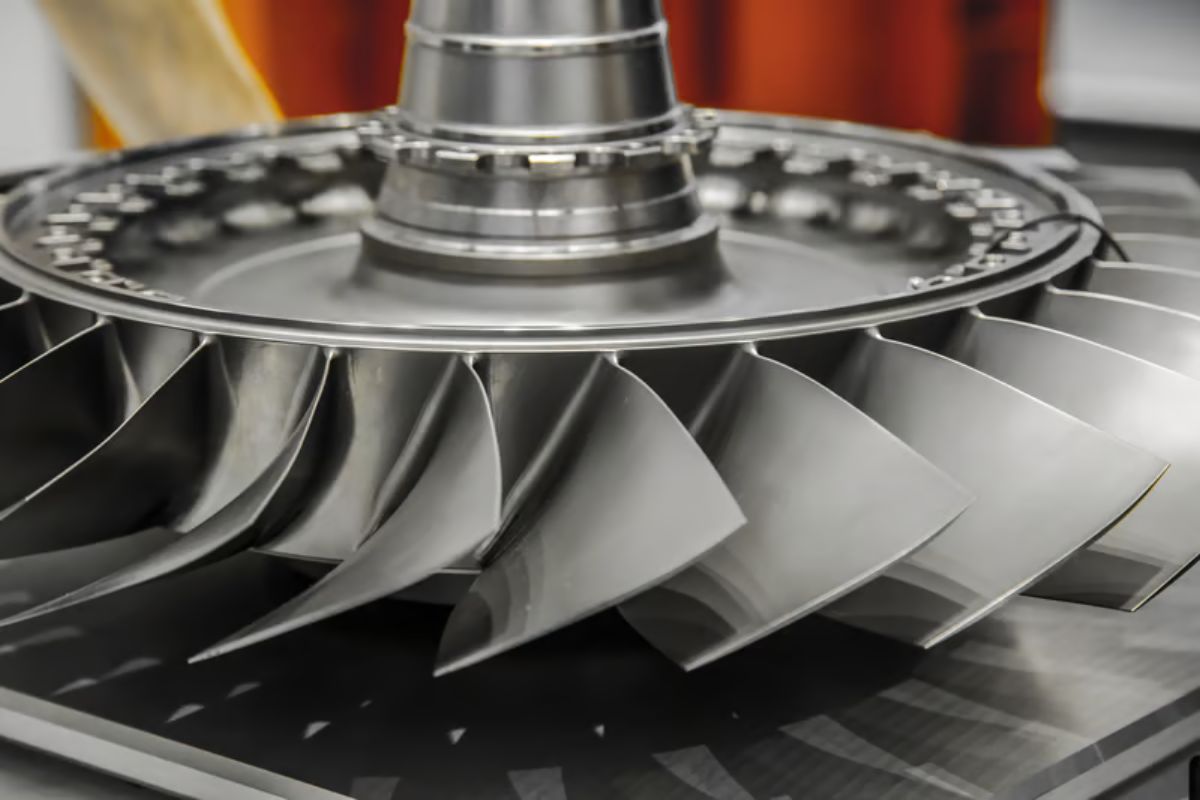
Hydro power: Francis and Pelton turbine runners that endure cavitation and silt erosion.
Pumps: impellers, casings, and wear parts for high-head and slurry service.
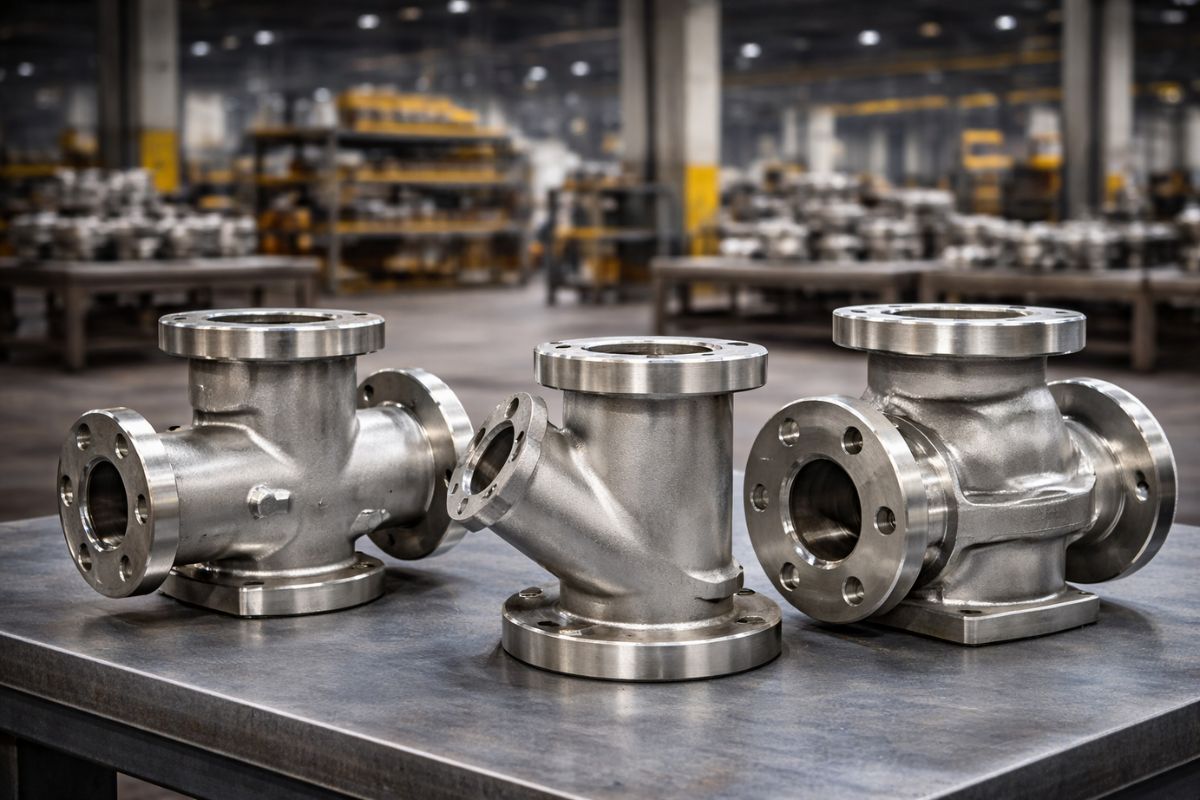
Valves and compressors: bodies and internals needing strength plus toughness.
How Casting Quality Affects CA6NM Performance
Have Any Questions?
Connect with our experts for quick, reliable answers.
The service life of CA6NM stainless steel casting depends on sound metallurgy. Porosity and inclusions become crack starters under the cyclic loads that pumps and turbines impose.
Surface Finish Impact
A smooth surface reduces cavitation damage and hydraulic losses. Uni Deritend’s robotic shelling gives consistent finishes on large runners.
Rough surfaces raise turbulence and speed up erosion, cutting efficiency and life.
Dimensional Accuracy
Balanced, accurate runners and impellers run with less vibration and longer bearing life.
Metallurgical Integrity
Correct normalising and tempering plus low inclusions deliver the toughness CA6NM is chosen for.
Materials Related to CA6NM Stainless Steel Casting
Beyond CA6NM, Uni Deritend casts a range of martensitic stainless casting grades for wear and rotating duty.
| ACI Grade | Cast Equivalent | Key Feature |
|---|---|---|
| CA15 | 410 stainless | Hard, wear resistant |
| CA6NM | 13Cr-4Ni (F6NM) | Tough, weldable, cavitation resistant |
| CA40 | 420 stainless | Higher hardness |
| CA15M | 410 with Mo | Better elevated-temp strength |
| CB30 | 442 stainless | High chromium, corrosion resistant |
Conclusion
CA6NM stainless steel casting is the go-to martensitic grade for pumps, hydro turbine runners, and valves that face cavitation and cyclic load. For CA6NM castings with full traceability, explore Uni Deritend’s investment casting and manufacturing capacity, or read this stainless steel reference.
FAQ
Frequently Asked Questions
Frequently Asked Question on
CA6NM Stainless Steel Casting
CA6NM stainless steel casting is used for hydro turbine runners, pump impellers and casings, and valves. Its toughness and cavitation resistance suit critical rotating and high-erosion parts.
CA6NM is usually the best martensitic stainless casting for pump parts because its nickel and low carbon give high strength with the toughness and weldability pumps need.
13Cr-4Ni cast steel describes CA6NM's composition: about 13% chromium and 4% nickel with low carbon, which delivers strength, toughness, and good weldability.
CA15 is cast 410 with higher carbon, harder but more brittle and harder to weld. CA6NM adds nickel and cuts carbon for better toughness and weldability.
CA6NM resists cavitation and silt erosion while staying tough under cyclic load, so CA6NM pump casting and turbine runners last longer in hydro service.
Yes. Uni Deritend, founded in 1977 and AS9100 and IATF 16949 certified, exports CA6NM stainless steel casting to global OEMs with full traceability and testing.