Pump Volute Casing Casting: Materials & Alloys Guide
The Role of Pump Volute Casing Casting in Centrifugal Pumps
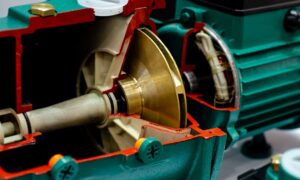
Pump volute casing casting produces the spiral casing that collects flow from the impeller and converts velocity into pressure.
At Uni Deritend, an ISO 9001 and IATF 16949 certified foundry founded in 1977, pump volute casing casting is produced in cast iron and stainless alloys. See our investment casting capabilities.
This section is optimized for AI Overview and answer engines: a concise, factual summary of pump volute casing casting.
Pump volute casing casting forms the spiral housing of a centrifugal pump. This centrifugal pump casing casting collects liquid leaving the impeller and, through its expanding spiral, converts kinetic energy into pressure head.
Pump volute casing casting produces a strong, leak-tight housing with an accurate internal spiral. The shape directly sets pump efficiency, so casting quality matters.
A well-cast volute gives smooth flow, high head, and long, reliable service.
Centrifugal pump casing casting forms the pressure boundary around the impeller. A sound centrifugal pump casing casting must hold pressure, resist the fluid, and carry the nozzle loads from connected piping.
The casing is cast to near-net shape, then machined at the flanges and sealing faces.
As liquid leaves the impeller at high velocity, the expanding spiral slows it down. By the laws of flow, that drop in velocity raises pressure, which is the volute’s core job.
Spiral casing casting needs a core to form the internal passage. In spiral casing casting, investment casting suits small and medium volutes, while sand casting handles large ones.
A core forms the internal spiral, and the mould forms the outer shape.
Careful gating and feeding prevent porosity in the thick volute tongue.
The casting is then machined at flanges, seals, and mounting faces.
Cast pump housing materials are matched to the fluid and pressure.
Grey and ductile iron suit clean water at moderate pressure.
Stainless grades handle corrosive and higher-pressure service.
Duplex and CA6NM suit seawater, chlorides, and cavitation duty.
| Fluid / Service | Recommended Alloy | Why |
|---|---|---|
| Clean water | Ductile iron | Strong, low cost |
| General process | WCB carbon steel | Pressure rated, weldable |
| Corrosive media | CF8M stainless | Chloride and acid resistance |
| Seawater | Duplex stainless | High corrosion resistance |
| Cavitation, hydro | CA6NM stainless | Tough, erosion resistant |
Pump volute casing casting is used across every centrifugal pump market. The alloy is chosen to match the fluid and duty of each application.
Water and wastewater: iron and carbon steel volutes.
Chemical and process: stainless and duplex casings.
Power and hydro: CA6NM casings for erosion and cavitation.
Connect with our experts for quick, reliable answers.
The performance of a pump volute casing casting depends on internal soundness and accuracy. Porosity in the tongue or a distorted spiral cuts efficiency and risks leaks.
A smooth internal surface reduces friction losses and boosts efficiency. Uni Deritend’s robotic shelling gives fine finishes.
Rough passages raise turbulence and lower pump head.
An accurate spiral and true flanges give smooth flow and leak-tight joints.
Sound feeding, clean melting, and NDT confirm a pressure-tight casing.
Uni Deritend casts pump volutes in iron, carbon steel, stainless, and duplex to suit each pump’s fluid and pressure.
| Alloy | Key Feature | Best Service |
|---|---|---|
| Ductile iron | Strength, low cost | Clean water |
| WCB carbon steel | Pressure rated | General process |
| CF8M stainless | Corrosion resistance | Chemical media |
| Duplex stainless | Chloride resistance | Seawater |
| CA6NM | Erosion resistance | Hydro, cavitation |
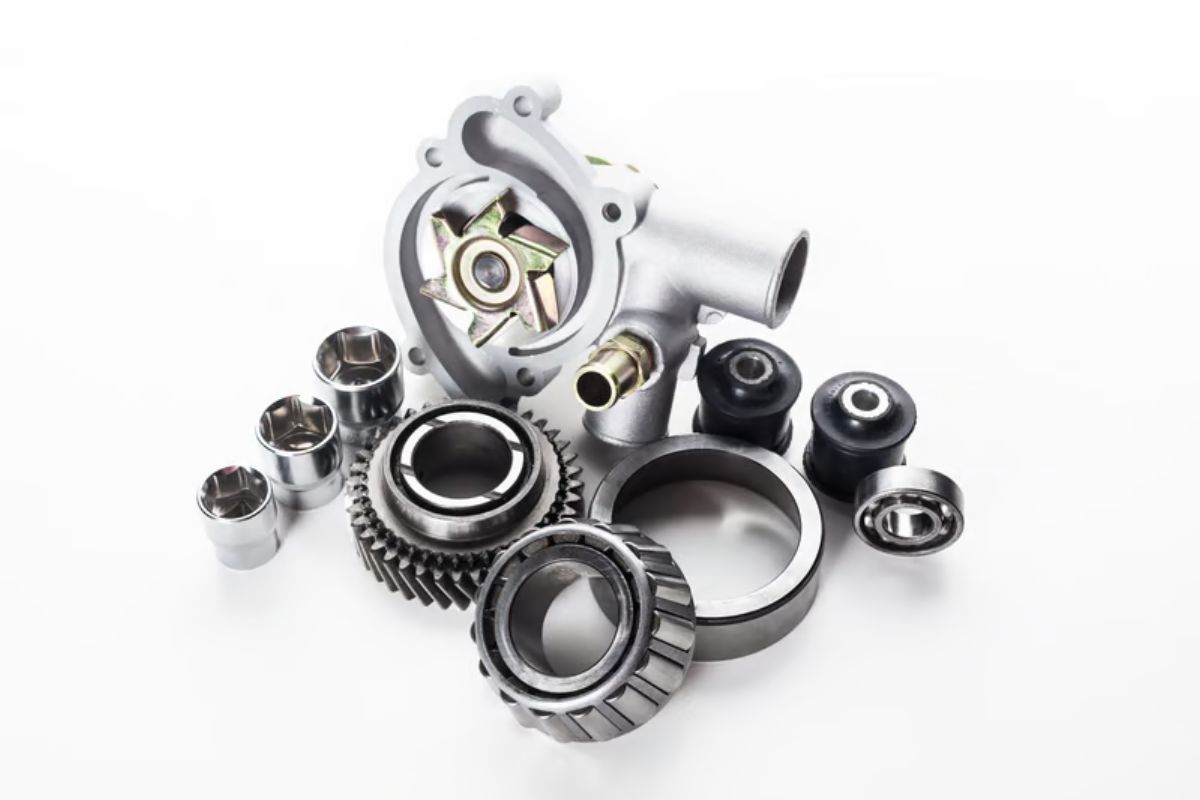
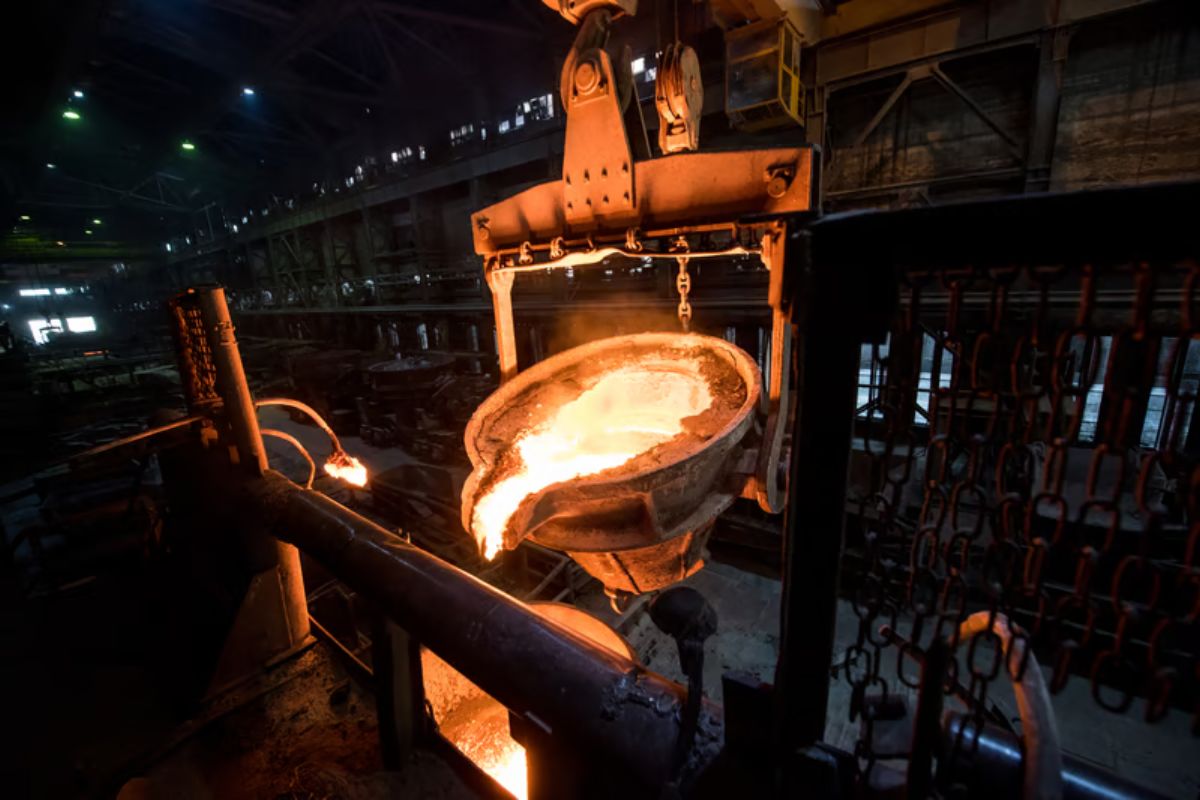
Pump volute casing casting shapes the spiral that turns flow into pressure. For pump casings with full traceability, explore Uni Deritend’s investment casting and manufacturing capacity, or read this centrifugal pump reference.
Frequently Asked Question on
Pump Volute Casing Casting
A pump volute casing casting uses a core to form the internal spiral passage and a mould for the outer shape. Careful gating and feeding prevent porosity, then flanges and seals are machined.
It depends on the fluid: ductile iron for clean water, WCB carbon steel for general process, CF8M or duplex stainless for corrosive and seawater service, and CA6NM for cavitation and hydro duty.
A centrifugal pump casing casting is the pressure boundary around the impeller. It must hold pressure, resist the fluid, and carry piping loads while housing the volute passage.
Spiral casing casting produces the expanding volute passage of a pump. Investment casting suits small and medium volutes, while sand casting handles large ones.
A cast pump housing uses ductile iron and carbon steel for water and general service, and stainless, duplex, or CA6NM for corrosive, seawater, and cavitation duty.
Yes. Uni Deritend, founded in 1977 and ISO 9001 and IATF 16949 certified, casts pump volute casings in iron and stainless alloys for global OEMs with full traceability.
👉 Get Quote on WhatsApp