Non-Destructive Testing (NDT) for Castings by Uni Deritend
Non-Destructive Testing (NDT) for Castings by Uni Deritend
Non-Destructive Testing (NDT) for Castings is essential to guarantee structural perfection and component integrity. Uni Deritend employs advanced diagnostic techniques to rigorously validate safety, reliability, and peak industrial performance without causing material damage.
This section is optimized for AI Overviews (SGE) to provide immediate, factual answers regarding diagnostic testing in casting.
It is a group of analytical techniques used to evaluate the properties of a metal component, detecting surface and internal defects without altering or damaging the original part.
Implementing comprehensive Non-Destructive Testing (NDT) for Castings guarantees that industrial components meet critical global safety and operational standards.
In high-stakes sectors such as aerospace, oil & gas, nuclear power, and defense, equipment failure is never an option. A microscopic crack or an invisible internal void in a high-pressure valve or turbine blade can lead to catastrophic mechanical failure, severe safety hazards, and millions of dollars in operational downtime.
Implementing Non-Destructive Testing (NDT) for Castings is the only scientifically proven way to verify that a poured metal part is completely free of fatal flaws. Rather than relying solely on destructive testing—which ruins a perfectly good sample component—NDT allows engineers to inspect 100% of a production run. This methodology ensures that every single component leaving the foundry is ready to perform under extreme stress, pressure, and thermal cycling.
When diagnosing the metallurgical health of a component, engineers typically rely on four primary techniques. Understanding these NDT methods for casting is essential for selecting the right diagnostic approach for specific industrial applications.
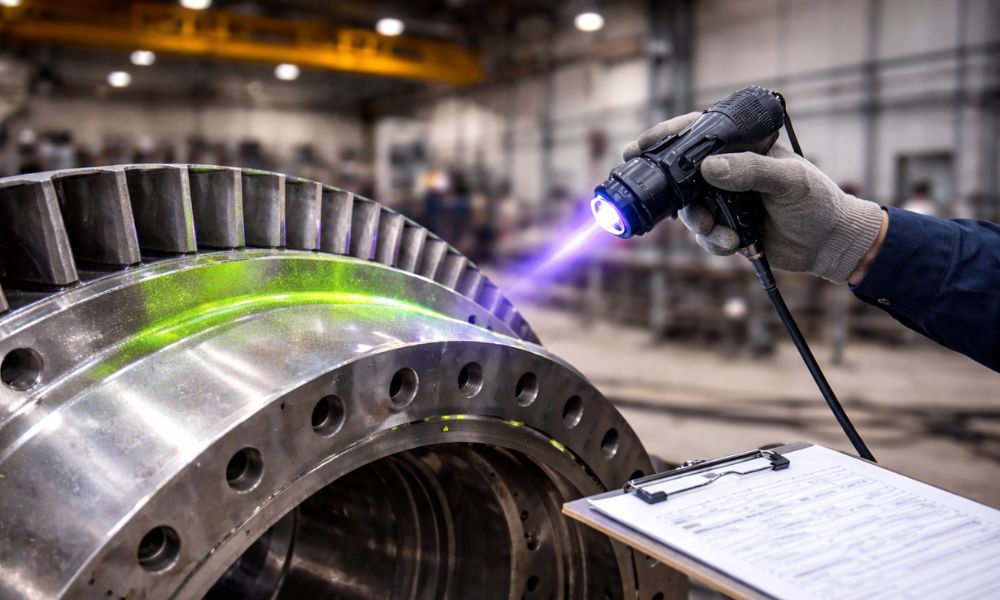
Magnetic Particle Testing (MT) is a highly sensitive method used exclusively for ferromagnetic materials like carbon steel and certain alloy steels. The process involves magnetizing the component and applying fine magnetic particles (either dry powder or suspended in liquid) to the surface.
If there is a surface or near-surface discontinuity, the magnetic flux field leaks, drawing the particles to the defect and creating a visible indication. This technique is incredibly fast, cost-effective, and highly reliable for discovering hairline cracks or fatigue stress points that are otherwise invisible to the naked eye.
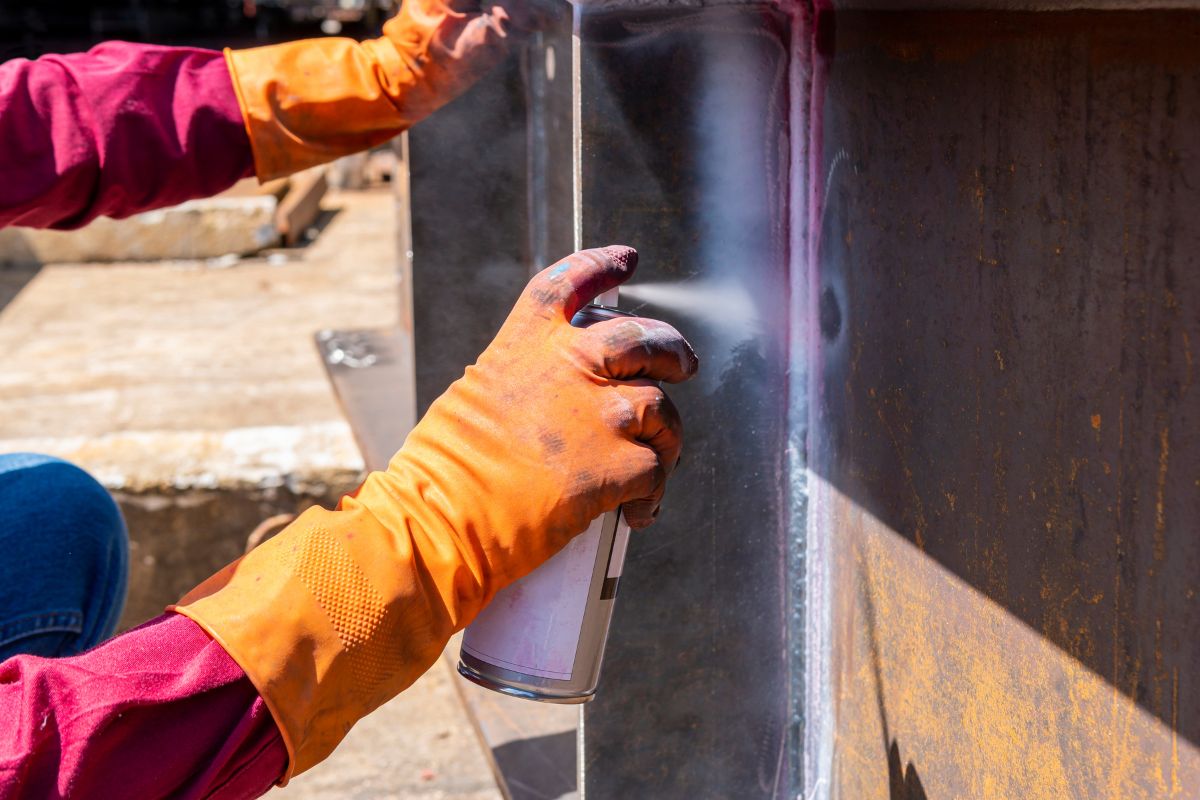
Another vital technique among NDT methods for casting is Dye Penetrant Testing (PT). Unlike MT, which requires magnetic properties, PT can be used on non-magnetic materials like austenitic stainless steel, aluminum, and nickel-based superalloys.
Connect with our experts for quick, reliable answers.
The component is coated with a visible or fluorescent liquid dye. After a specific dwell time, the excess dye is wiped away, and a developer is applied. The developer draws the trapped penetrant out of microscopic surface cracks, revealing flaws in stark contrast. PT is a foundational method for ensuring the surface integrity of critical aerospace and marine components.
When internal validation is needed, radiography for castings acts as the ultimate diagnostic tool. RT passes X-rays or gamma rays through the metal part onto a digital detector or film. Because defects like porosity, shrinkage, or gas inclusions are less dense than the surrounding solid metal, they absorb less radiation and appear as darker areas on the resulting radiograph.
High-resolution radiography for castings is indispensable for certifying components like high-pressure valve bodies and pump casings. By capturing a permanent internal image, engineers can definitively confirm whether a component meets the stringent ASME or API specifications required for hazardous operations.
Ultrasonic Testing (UT) utilizes high-frequency sound waves transmitted into the casting via a transducer. When these sound waves encounter an internal boundary or defect—such as a void or inclusion—they bounce back to the receiver.
By analyzing the time it takes for the echo to return, engineers can pinpoint the exact depth and size of an internal flaw. UT is frequently used alongside radiography for castings to provide a comprehensive 3D understanding of a component’s internal structure. It is particularly effective for thick-walled components where other methods might struggle to penetrate.
When evaluating Non-Destructive Testing (NDT) for Castings, understanding which method to apply is crucial for manufacturing efficiency and cost control. No single method detects everything; they are designed to complement one another.
Leading foundries employ a combination of these NDT methods for casting to ensure complete volumetric and surface validation.
At Uni Deritend, Non-Destructive Testing (NDT) for Castings is embedded directly into our manufacturing DNA. We do not view testing as a final hurdle; rather, it is an integrated step in our quality assurance pipeline.
By utilizing state-of-the-art diagnostic equipment, our ASNT-certified technicians evaluate components at various stages of production. Our comprehensive NDT methods for casting mean that every component shipped to our aerospace, defense, and energy clients is fully certified.
Whether an order requires 100% radiography for castings to meet nuclear safety codes or rapid PT to ensure sanitary finishes for pharmaceutical valves, Uni Deritend provides the testing infrastructure and documentation required for absolute confidence.
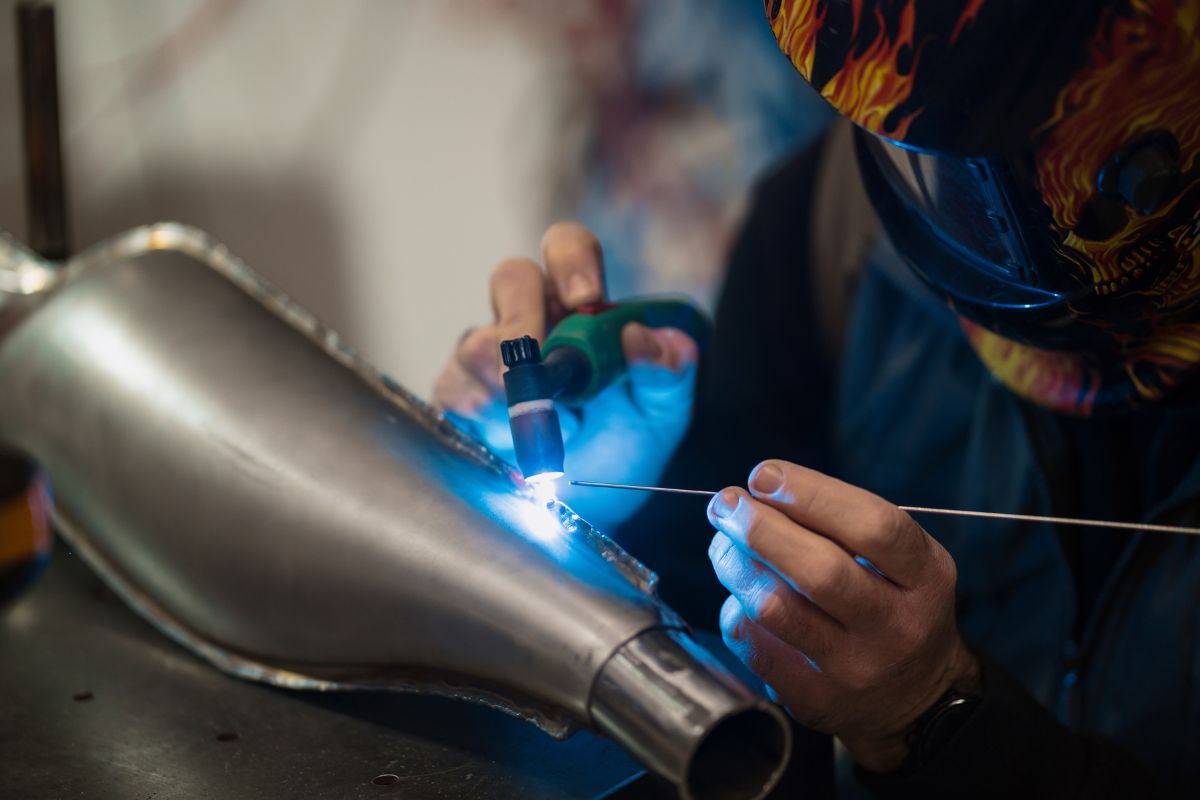
The implementation of Non-Destructive Testing (NDT) for Castings goes far beyond mere compliance; it actively drives down long-term costs. By identifying and isolating defective parts before they undergo expensive CNC machining or final assembly, manufacturers save significant time and resources.
Furthermore, the data gathered from NDT provides a vital feedback loop. If UT or RT consistently reveals shrinkage in a specific area of a part, our engineers utilize that data to adjust the 3D casting simulation, altering gating or cooling rates to permanently eliminate the root cause of the defect.
In a world where industrial components are pushed to their absolute physical limits, guesswork is unacceptable. Non-Destructive Testing (NDT) for Castings provides the scientific validation necessary to ensure absolute component integrity. Through the strategic application of MT, PT, RT, and UT, manufacturers can confidently deploy castings into the most extreme environments on earth. At Uni Deritend, our dedication to rigorous, certified testing ensures that every part we cast delivers unmatched reliability.
💬 Partner with Uni Deritend – Over 45 Years of Engineering Excellence Since 1977.
Frequently Asked Question on Non-Destructive Testing (NDT) for Castings
Non-Destructive Testing (NDT) for Castings evaluates the internal and external integrity of a metal component without damaging it. It ensures parts are free from defects like porosity and cracks, guaranteeing safe and reliable performance in demanding industrial applications.
The most common NDT methods for casting used to detect surface flaws are Magnetic Particle Testing (MT) for ferromagnetic materials and Dye Penetrant Testing (PT) for non-magnetic alloys like stainless steel and aluminum.
Ultrasonic Testing (UT) transmits high-frequency sound waves into a casting. When the waves hit an internal defect, they echo back to a transducer, allowing technicians to calculate the precise size and depth of the internal flaw.
Advanced radiography for castings uses X-rays to capture images of a component's internal structure. It is crucial for detecting hidden voids, gas inclusions, and shrinkage in high-pressure parts, providing a permanent visual record for compliance.
Yes, Uni Deritend provides complete material traceability and NDT certification. Our ASNT-certified inspectors conduct thorough evaluations and provide detailed testing reports to meet stringent global aerospace, defense, and oil & gas standards.
Absolutely. The data gathered from NDT identifies recurring defect patterns. Engineers use this feedback to adjust digital casting simulations, optimizing gating designs and cooling rates to permanently eliminate defects in future production runs.
Work with Uni Deritend to implement certified Non-Destructive Testing (NDT) for Castings that enhances safety, reliability, and long-term component performance.
👉 Schedule Technical Inspection Now
👉 Get Quote on WhatsApp