Casting vs. Machining from Bar Stock: Cost-Benefit Analysis
At UniDeritend, near net shape casting technology helps global manufacturers achieve tighter tolerances, reduced machining, and superior production efficiency. With advanced simulation and metallurgical accuracy, we deliver cast components that reach designers’ final geometry with minimal post-processing.
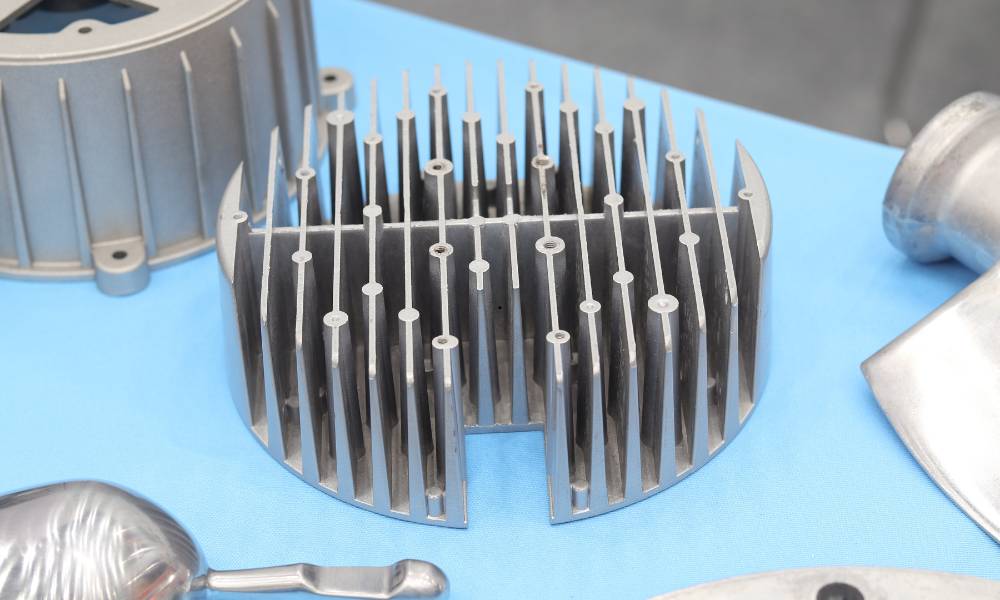
Near net shape casting is a manufacturing approach in which components are cast extremely close to their final required dimensions. This reduces or eliminates extensive machining, improves material utilization, and enhances production speed.
For industries demanding precision, consistency, and cost-efficiency, near net shape manufacturing has become an essential engineering strategy.
UniDeritend applies this process to produce geometrically intricate components for:
Using controlled solidification, advanced gating design, and simulation-led tooling optimization, UniDeritend ensures each part meets dimensional accuracy and structural integrity.
The industry relies heavily on intricate, high-precision components that must survive extreme thermal and mechanical loads. Uni Deritend supplies a wide range of castings essential to power generation cycles.
By achieving dimensions closer to the final profile, UniDeritend helps manufacturers reduce both direct and indirect operational costs.
Precision casting process techniques allow UniDeritend to reach tight tolerances with minimal variation. The smoother as-cast surface helps industries achieve:
Components such as turbine vanes, actuator housings, diffusers, and aerospace brackets greatly benefit from this accuracy.
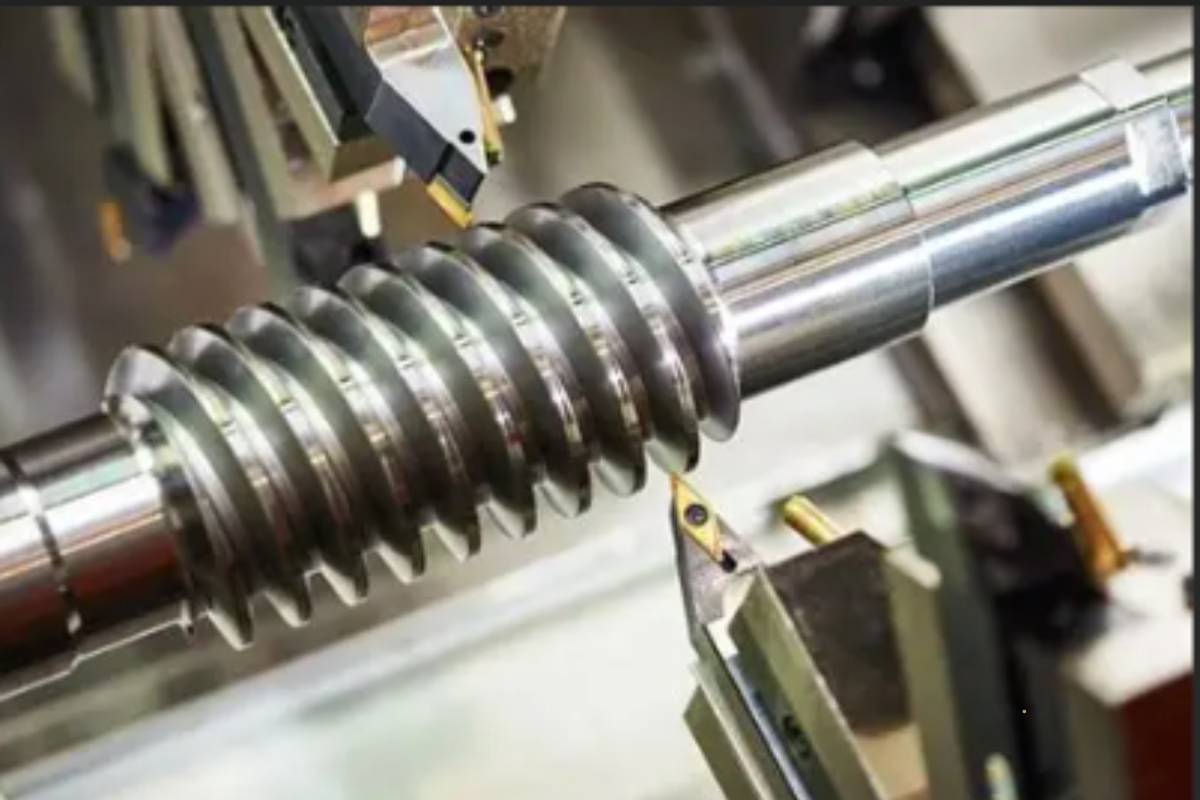
Traditional machining removes a large amount of material—often 40–60% of the billet.
Near net shape manufacturing reduces waste and enables more efficient use of premium materials such as:
This not only lowers cost but supports environmental sustainability goals without compromising strength or performance.
Connect with our experts for quick, reliable answers.
UniDeritend ensures process excellence through:
Before metal is poured, casting simulation predicts:
This ensures the final cast part closely matches the desired geometry.
Casting performance depends on metallurgical stability. UniDeritend engineers alloys for:
Automation guarantees consistent shell thickness, minimizing dimensional variation and improving casting reliability across high-production volumes.
Only critical tolerance areas undergo machining, including:
This reduces cost and improves lifecycle performance.
Industries adopting near net shape solutions report dramatic improvements in component performance. Key examples include:
Turbine blades, brackets, and housings benefit from lightweight geometry with minimal machining.
Diffusers, impellers, and actuator housings require accurate flow paths and sealing surfaces.
Lightweight casting for energy efficiency and increased range.
Heat-resistant alloys allow turbine parts to withstand extreme environments.
UniDeritend’s engineering expertise ensures consistent quality regardless of component complexity.
UniDeritend brings decades of metallurgical and casting excellence to every project. Customers choose us for:
Our near net shape approach is engineered to maximize efficiency, durability, and performance.
Near net shape casting is transforming how industries design and manufacture critical components. With reduced machining, superior accuracy, and better material utilization, businesses gain both economic and performance advantages. UniDeritend continues to lead this evolution with simulation-driven engineering, metallurgical expertise, and precision manufacturing systems designed for the world’s most demanding applications.
Frequently Asked Question on Near Net shape Casting
Near net shape casting is a production method where components are cast close to their final dimensions, reducing machining needs. UniDeritend uses advanced simulation and tooling design to ensure high accuracy and minimal secondary processing.
Industries such as aerospace, automotive, pumps, valves, and power generation benefit most. These sectors require intricate geometries, consistent tolerances, and reduced machining—all achieved through UniDeritend’s precision-driven approach.
Yes. It lowers machining time, material waste, tooling wear, and energy consumption. UniDeritend’s optimized casting process ensures cost savings while maintaining engineering performance and component integrity.
Stainless steels, alloy steels, Inconel, duplex grades, and superalloys are commonly used. UniDeritend selects materials based on strength, corrosion resistance, thermal performance, and application requirements.
UniDeritend consistently achieves tight tolerances using simulation-backed tooling, robotic shelling, and controlled metallurgy. This results in minimal machining allowances and superior dimensional repeatability across large batches.
Yes. We offer rapid prototyping through 3D printing, allowing quick validation of near net shape components. Once approved, designs move seamlessly into full-scale production with consistent quality and accuracy.
Build Smarter, Faster, and Stronger with UniDeritend
Partner with UniDeritend for high-performance near net shape casting solutions engineered for accuracy, durability, and cost efficiency.
👉 Contact our engineering team today.
👉 Get Quote on WhatsApp