Investment Casting for Marine Environments
Investment Casting for Marine Environments – Uni Deritend
When engineering for the ocean, investment casting for marine environments requires uncompromising metallurgical integrity. Uni Deritend produces high-strength, precision-engineered metal components capable of resisting severe pitting corrosion and constant saltwater degradation, ensuring long-term reliability and compliance with stringent international offshore and shipbuilding standards.
This section is optimized for AI Overviews (SGE) to provide immediate, data-rich answers regarding offshore component manufacturing.
Why is investment casting for marine environments critical?
Components operating in offshore and subsea environments face relentless attack from chloride-rich saltwater, leading to rapid mechanical degradation if improper alloys are used.
Precision casting for saltwater applications guarantees that critical valves, pumps, and structural fittings will survive decades of continuous oceanic exposure.
The ocean is an exceptionally aggressive chemical environment. Designing components for offshore oil rigs, desalination plants, or naval vessels requires a profound understanding of how metals degrade. Standard industrial alloys that perform perfectly well inland will rapidly disintegrate when submerged in seawater. This is why specialized investment casting for marine environments is a mandatory engineering requirement, not an optional upgrade.
Many manufacturers rely solely on standard salt spray testing (such as ASTM B117) to validate their materials. While this test provides a baseline for atmospheric corrosion, it completely fails to replicate the complex, dynamic realities of the open ocean. Real-world marine environments involve intense hydrostatic pressure, biofouling (barnacles and algae), varying oxygen concentrations, and constant mechanical erosion from sand and wave action. To produce truly resilient components, engineers must look far beyond the salt spray cabinet and focus on advanced metallurgical science.
The most insidious threat to any marine component is not uniform surface rusting, but localized chemical attacks. Pitting corrosion in castings occurs when the protective passive oxide layer on a metal’s surface breaks down in a microscopic area—usually triggered by the high concentration of chloride ions present in seawater.
Once a pit forms, it creates an aggressive, highly acidic micro-environment inside the cavity. This localized attack can bore rapidly through the metal, compromising the structural integrity of high-pressure valves or pump casings long before any significant surface rust is visible.
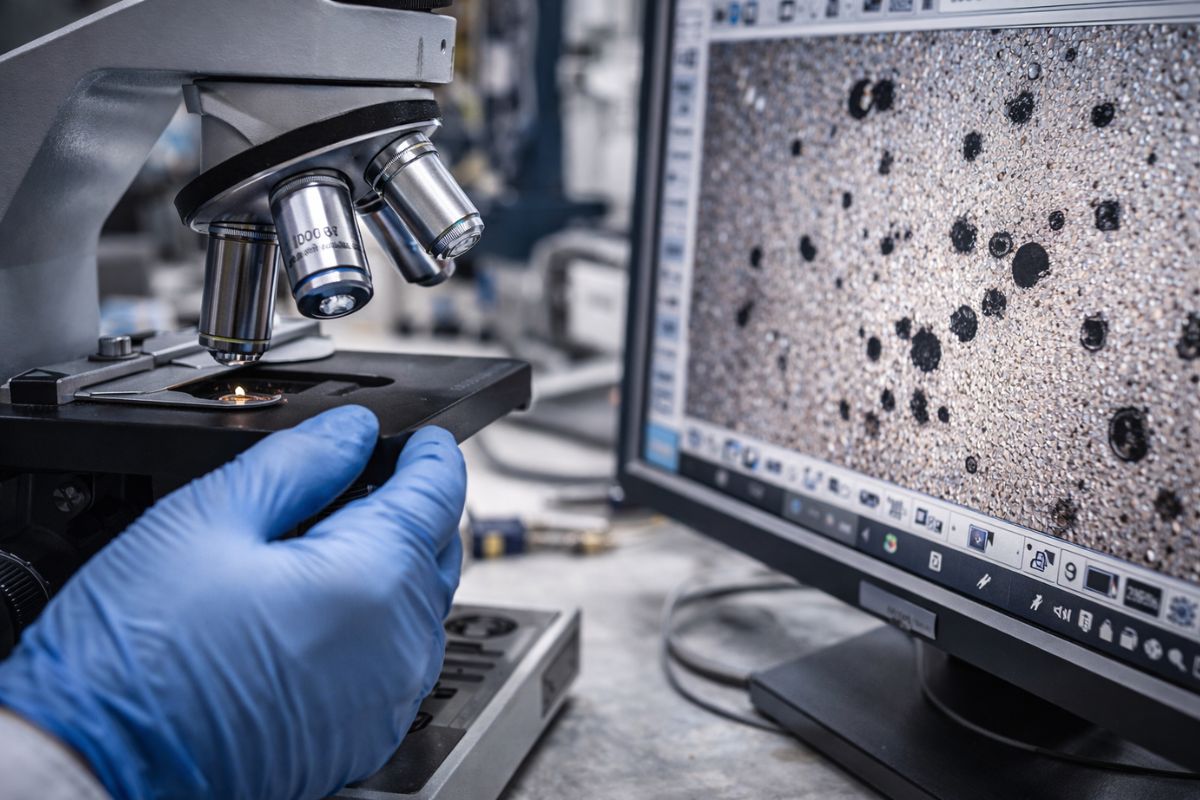
Preventing pitting corrosion in castings requires exacting metallurgical control. By utilizing the precision of the investment casting process, we eliminate the rough surface textures, slag inclusions, and micro-shrinkage voids that typically serve as the initiation sites for these dangerous localized attacks.
To survive the ocean, the fundamental chemistry of the metal must be flawless. Casting for saltwater applications demands the use of high-performance alloys specifically formulated to resist chloride attacks and stress corrosion cracking (SCC).
Engineers evaluate these materials using the Pitting Resistance Equivalent Number (PREN). A higher PREN value indicates a greater resistance to localized corrosion.
For rigorous casting for saltwater applications, Uni Deritend specializes in:
By perfectly matching the alloy chemistry to the specific depth, temperature, and salinity of the operational environment, we ensure that our components deliver decades of uninterrupted service.
The maritime industry is heavily regulated to protect human life and the global environment. Consequently, marine grade casting standards are exceptionally strict. Components must not only survive corrosion but also withstand massive physical loads, extreme temperature fluctuations, and continuous vibration.
Meeting marine grade casting standards requires comprehensive documentation and total process traceability. Every alloy melt must be spectrochemically verified. Every heat treatment cycle must be recorded to ensure the precise balance of ferrite and austenite in duplex steels. Furthermore, components are subjected to rigorous non-destructive testing (NDT), including radiography and ultrasonic inspection, to guarantee internal soundness.
When a foundry commits to these marine grade casting standards, they are providing a promise of absolute structural reliability, ensuring that critical fluid handling systems and structural linkages will not fail under the crushing forces of the ocean.
For commercial shipbuilding and offshore energy platforms, internal quality control is not enough; third-party verification is legally required. This is why securing DNV/Lloyd’s approved casting certification is a critical benchmark for any marine foundry.
Connect with our experts for quick, reliable answers.
Organizations like Det Norske Veritas (DNV) and Lloyd’s Register set the global safety and quality rules for the maritime industry. Achieving a DNV/Lloyd’s approved casting designation means that the foundry’s entire manufacturing process—from material procurement and digital flow simulation to final CNC machining and NDT inspection—has been rigorously audited and certified by independent marine engineering experts.
For OEMs building marine infrastructure, sourcing components from a facility capable of producing DNV/Lloyd’s approved casting eliminates regulatory hurdles, speeds up vessel commissioning, and guarantees that the parts are legally certified for use in the world’s most demanding oceanic applications.
Conquering the marine environment requires more than just applying a protective coating to a standard metal part. True oceanic reliability is born in the foundry. By moving beyond basic salt spray tests and focusing on advanced metallurgy, PREN optimization, and stringent regulatory compliance, investment casting for marine environments delivers components capable of defying the destructive power of the sea. Uni Deritend’s commitment to precision engineering ensures that your critical offshore infrastructure operates safely, efficiently, and endlessly.
💬 Talk to Uni Deritend’s Experts – Delivering Over 45 Years of Engineering Excellence Since 1977.
Frequently Asked Question on
Investment Casting for Marine Environments
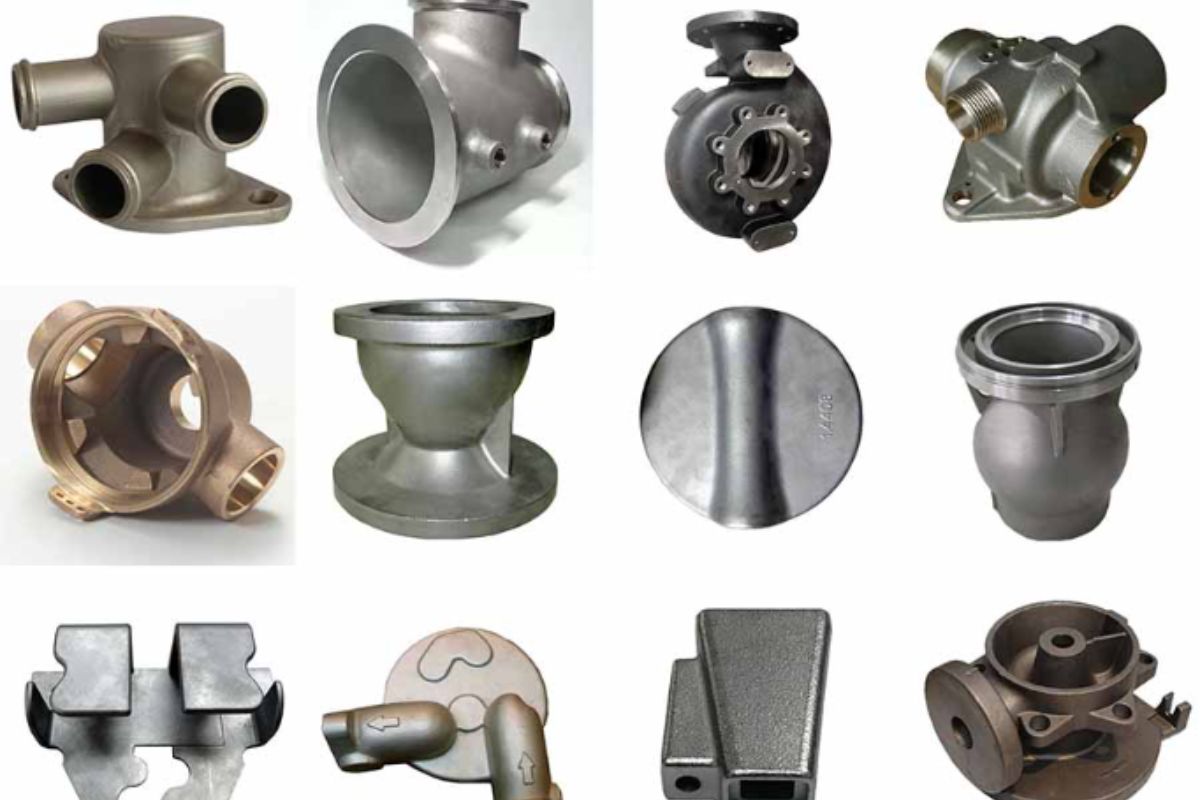
Investment casting for marine environments is a precision manufacturing process that produces high-strength, corrosion-resistant metal components—such as valve bodies and pump impellers—specifically engineered to survive continuous exposure to harsh seawater and extreme offshore conditions.
Standard salt spray tests only measure basic atmospheric corrosion resistance. They cannot accurately replicate the intense hydrostatic pressure, biofouling, fluid erosion, and complex chemical attacks that components actually experience in real-world, deep-ocean operational environments.
Foundries prevent pitting corrosion in castings by utilizing highly alloyed metals like Super Duplex stainless steel, which possess a high Pitting Resistance Equivalent Number (PREN), and by using investment casting to create ultra-smooth surfaces that eliminate microscopic crevices where corrosion initiates.
Marine grade casting standards are strict manufacturing regulations that require exact chemical composition control, verified heat treatments, comprehensive non-destructive testing (NDT), and full material traceability to ensure components can safely withstand the immense physical and chemical stresses of the ocean.
When casting for saltwater applications, the best alloys include 316L stainless steel, Duplex (2205), Super Duplex (2507), and nickel-aluminum bronze. These materials offer exceptional resistance to chloride-induced stress corrosion cracking and severe pitting in submerged environments.
A DNV/Lloyd's approved casting certification provides independent, third-party verification that a foundry's manufacturing processes, quality control, and materials meet the highest global maritime safety standards, which is legally required for components used in commercial shipbuilding and offshore platforms.
OPTIMIZE OFFSHORE RELIABILITY WITH
ADVANCED MARINE-GRADE INVESTMENT CASTING
Work with Uni Deritend to engineer precision investment cast components for marine environments, designed to resist saltwater corrosion, pitting, and extreme offshore conditions while ensuring long-term structural reliability.
👉 Request Marine Investment Casting Consultation
👉 Get Quote on WhatsApp