Casting vs. Machining from Bar Stock: Cost-Benefit Analysis
Casting vs. Machining from Bar Stock: A Cost-Benefit Analysis Uni Deritend presents a technical evaluation of two widely used manufacturing approaches for industrial metal components. Understanding cost structure, material efficiency, production scalability, and performance outcomes helps engineers determine when to cast vs machine for optimal results.
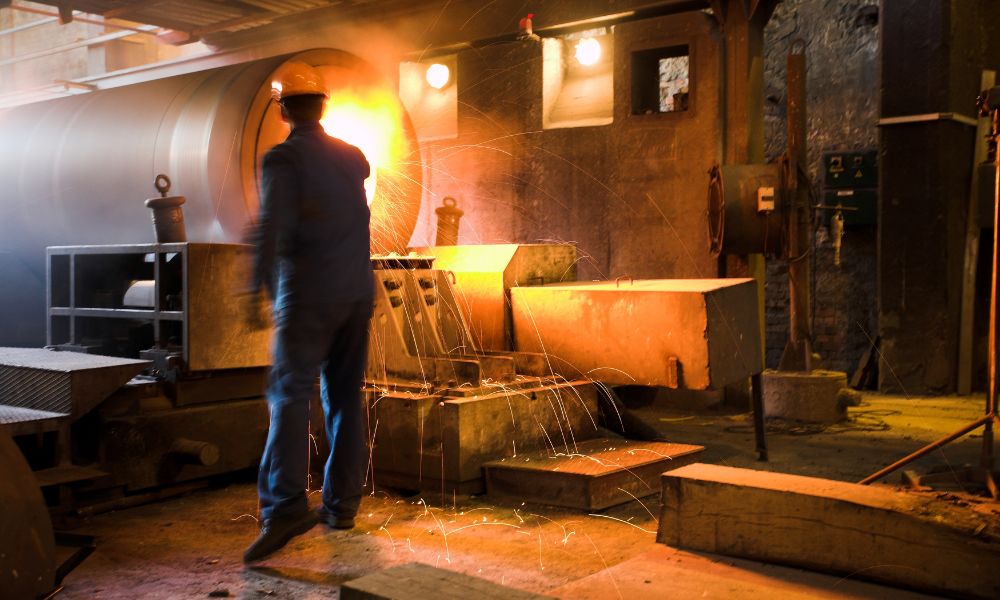
Casting involves pouring molten metal into a mold to create a near-net-shape component, while machining from bar stock removes material from a solid metal billet to achieve the final geometry.
In a detailed Casting vs. Machining from Bar Stock: A Cost-Benefit Analysis, the comparison typically focuses on:
The decision is rarely about capability alone; it is about economic efficiency and production intent.
Global manufacturers operate under pressure to reduce:
A structured Casting vs. Machining from Bar Stock: A Cost-Benefit Analysis allows procurement and engineering teams to optimize cost without compromising performance or compliance.
In high-volume production, small inefficiencies multiply significantly.
Casting often produces near net shape vs bar stock geometry, minimizing material removal.
Connect with our experts for quick, reliable answers.
Machining provides precision flexibility but may increase raw material consumption.
In a proper Casting vs. Machining from Bar Stock: A Cost-Benefit Analysis, material yield becomes critical.
Machining from bar stock often removes 40–70% of original material depending on geometry. This leads to:
Casting reduces material waste in machining vs casting by forming components close to final shape.
For low-volume production, machining may appear economical. For medium to high volume, casting amortizes tooling cost efficiently.
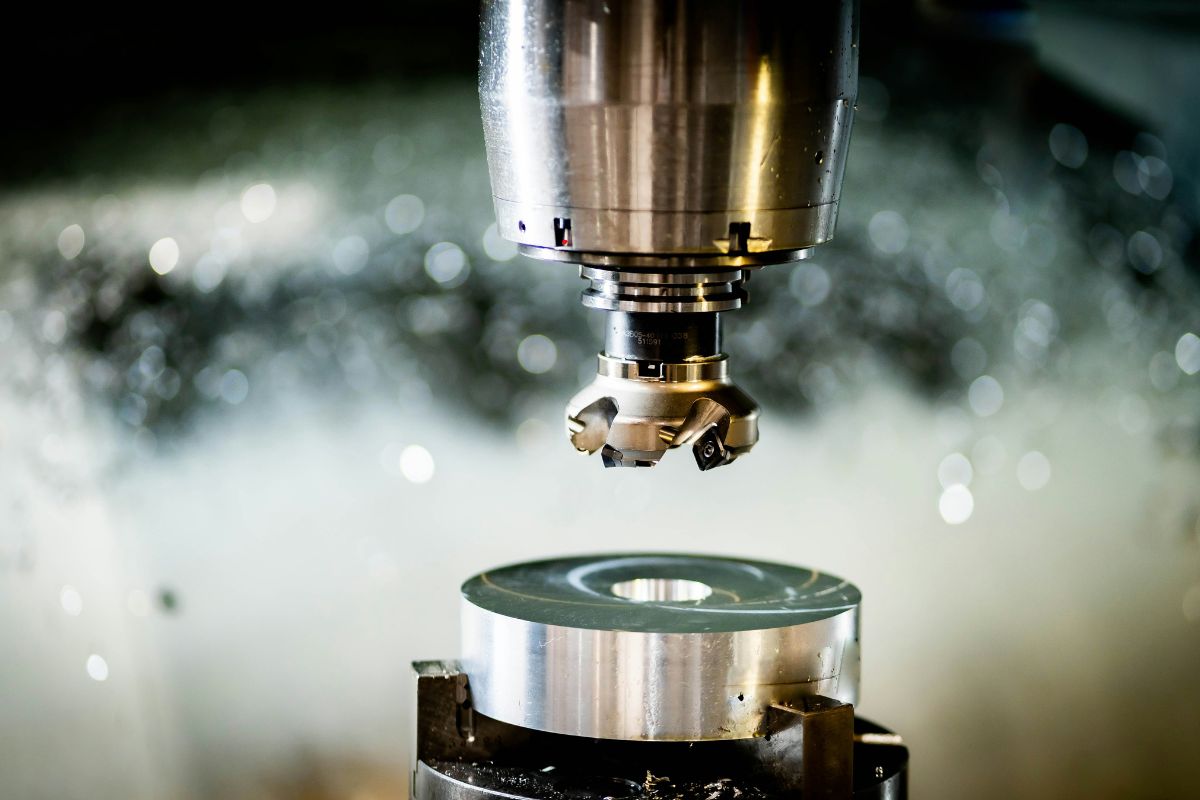
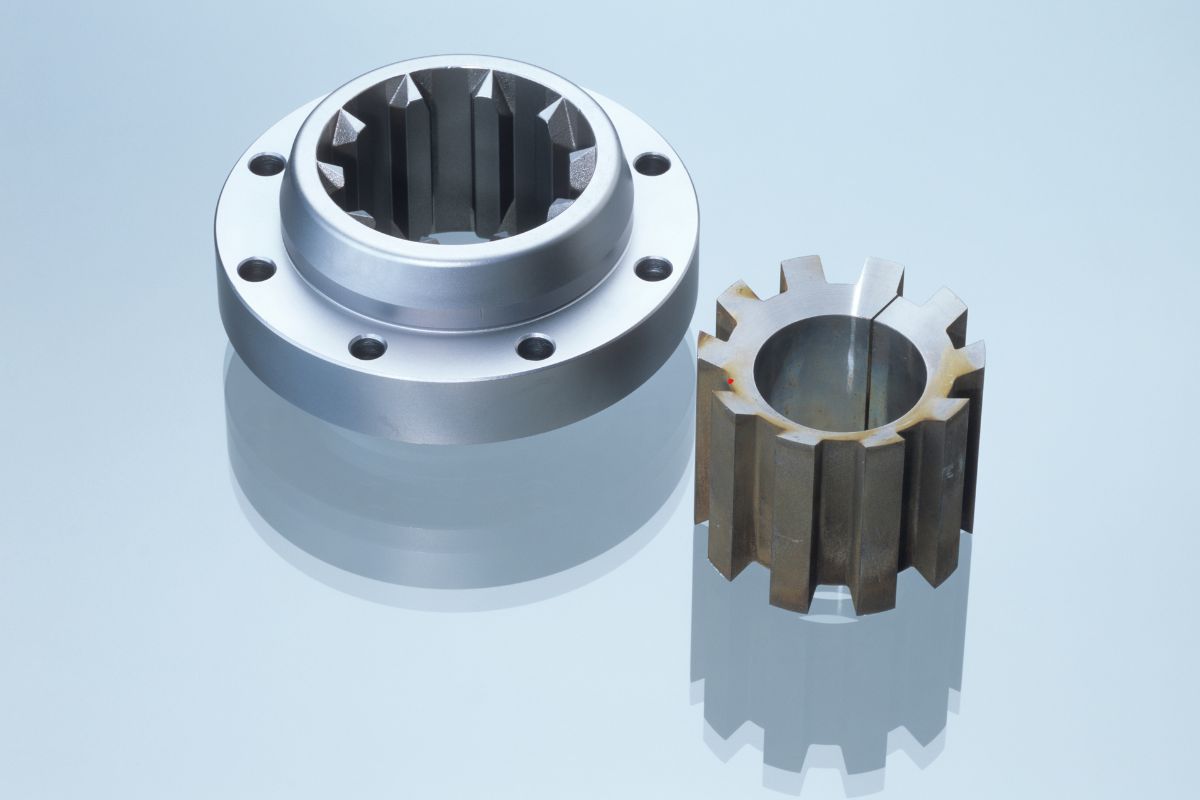
Machining from bar stock requires:
In contrast, cast components require only finish machining, reducing CNC time and improving throughput.
This is a major factor in determining when to cast vs machine.
Material waste directly affects cost and sustainability.
Material waste in machining vs casting comparison shows:
Reduced waste improves:
Casting often offers superior material economics for complex geometries.
The concept of near net shape vs bar stock is central to this comparison.
Near-net-shape casting:
Bar stock machining:
Near net shape improves production efficiency in repeat manufacturing programs.
When performing Casting vs. Machining from Bar Stock: A Cost-Benefit Analysis, casting offers advantages in:
Casting supports design innovation without excessive machining constraints.
In these sectors, casting reduces machining cost while maintaining mechanical strength.
Although casting is efficient in many cases, machining remains viable when:
A thorough Casting vs. Machining from Bar Stock: A Cost-Benefit Analysis considers production volume and lifecycle cost before decision-making.
Machining typically offers tighter tolerances without secondary processes.
Casting may require finishing depending on application standards.
Tooling for casting may extend initial development cycle but improves repeat batch efficiency.
Understanding when to cast vs machine depends on balancing these technical and financial variables.
Uni Deritend supports engineering teams through structured evaluation of Casting vs. Machining from Bar Stock: A Cost-Benefit Analysis.
We provide:
Our goal is to reduce total production cost while maintaining performance compliance.
A structured Casting vs. Machining from Bar Stock: A Cost-Benefit Analysis reveals that casting often provides material efficiency, scalability, and long-term cost advantages, particularly for complex or high-volume components.
Machining remains suitable for prototypes and low-volume runs, but near-net-shape casting delivers stronger economic performance in most industrial applications.
Engineering decisions should be driven by lifecycle cost, not just initial production convenience.
Frequently Asked Question on Casting vs. Machining from Bar Stock: A Cost-Benefit Analysis
Manufacturers should evaluate Casting vs. Machining from Bar Stock: A Cost-Benefit Analysis based on volume, complexity, and material waste. Casting is often preferred for medium to high-volume complex components.
Machining generally offers tighter dimensional tolerance initially. However, cast components can achieve required precision after finish machining while reducing overall material waste.
Material waste in machining vs casting is significantly higher in machining due to chip removal. Casting produces near-net-shape components, minimizing scrap and raw material usage.
Near net shape vs bar stock efficiency refers to casting components close to final geometry, reducing machining time, tool wear, and material consumption.
Not always. Casting involves tooling cost, so for low volumes machining may be economical. For repeated production, casting typically lowers total lifecycle cost.
Uni Deritend provides engineering consultation, cost modeling, and metallurgical analysis to determine the optimal solution through structured Casting vs. Machining from Bar Stock: A Cost-Benefit Analysis.
Partner with Uni Deritend to evaluate casting vs machining strategies for your industrial components.
👉 Request Technical Consultation Today
👉 Get Quote on WhatsApp