Radiographic Testing of Castings: NDT Methods Guide
At Uni Deritend, engineering precision starts with materials. Understanding how to choose the best stainless steel grade for your casting supports performance, corrosion resistance, and cost-effectiveness across demanding aerospace, automotive, marine, and energy applications. The process of deciding on the ideal alloy must consider the final operating environment, including temperature extremes, chemical exposure, and required mechanical strength. This careful material selection is the most critical first step in determining a part’s longevity and structural integrity.
That’s why Uni Deritend provides metallurgical consultation to help customers understand alloying elements, microstructures, and service requirements. Knowing how to choose the best stainless steel grade for your investment casting. helps prevent premature failure and costly replacements.
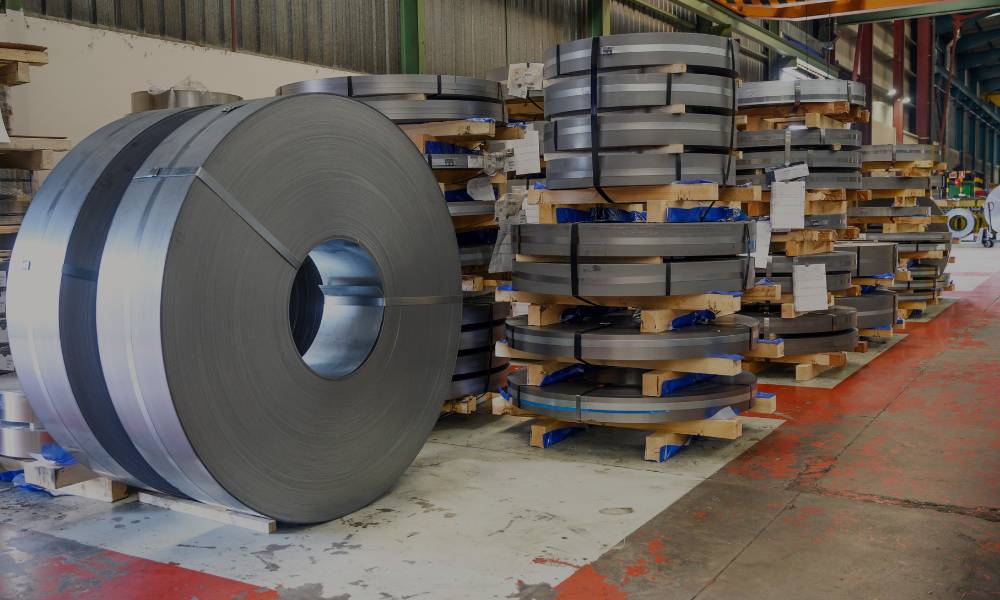
Selecting the correct stainless steel grade is critical to the success of any casting project. The decision hinges entirely on how to choose the best stainless steel grade for your casting, as each distinct grade offers unique advantages in mechanical strength, corrosion resistance, temperature endurance, and machinability. Making the wrong choice can lead to premature component failure, costly downtime, and non-compliance in regulated industries.
Understanding how to choose the best stainless steel grade for your casting helps ensure that the final component is suited to its service environment. Uni Deritend helps engineers and manufacturers select alloys based on corrosion resistance, mechanical strength, operating temperature, and application requirements.
Connect with our experts for quick, reliable answers.
Stainless steel is an iron-based alloy with chromium as its principal alloying element, forming a protective oxide film that helps resist corrosion. The right grade balances chromium, nickel, molybdenum, and nitrogen content to enhance durability and strength.
There are five major stainless steel categories — austenitic, ferritic, martensitic, duplex, and precipitation-hardened, each suited for different operational needs.
SS 304 – The Universal Workhorse
Limitations: May corrode in chloride-rich or acidic environments.
SS 316 – The Corrosion Champion
Limitations: Generally more expensive than SS 304, but it offers improved corrosion resistance in many environments.
Duplex Stainless Steel – The Strength Specialist
Applications: Offshore platforms, pressure vessels, and oil & gas infrastructure.
Corrosion failure is one of the most common causes of part replacement. Stainless steel’s ability to resist corrosion depends on its alloying elements and protective oxide film integrity.
At Uni Deritend, corrosion testing and salt spray analysis ensure the right grade performs reliably even in harsh marine or chemical conditions.
Heat treatment refines microstructure and improves ductility and corrosion resistance. Processes include:
These steps ensure consistent, durable castings with reliable performance.
Our metallurgists emphasize that there is no one-size-fits-all grade. Selection depends on the service environment, load conditions, and required lifespan.
We assist clients through:
Uni Deritend’s approach:
We guide clients with precise data-backed recommendations, ensuring every casting aligns with design, performance, and longevity goals.
Uni Deritend supports resource-efficient manufacturing through responsible material use and controlled production processes. Stainless steel, is recyclable, supporting material recovery and reduced waste.
Frequently Asked Question About How to Choose the Best Stainless Steel Grade for Your Casting
SS 316 contains molybdenum, offering higher corrosion resistance against acids and chlorides, making it ideal for marine and chemical applications compared to SS 304.
Duplex stainless steel is preferred for high-stress, high-corrosion environments like offshore platforms or oil & gas pipelines due to its superior strength and fatigue resistance.
It’s a balanced alloy of austenitic and ferritic stainless steels containing chromium, nickel, and molybdenum for high strength and corrosion resistance.
Consider corrosion level, mechanical load, temperature, and budget. Uni Deritend experts can analyze conditions and recommend the most suitable alloy.
Yes, stainless steel is fully recyclable, maintaining its strength and corrosion resistance even after multiple recycling cycles, supporting sustainable manufacturing.
Yes, proper heat treatment enhances ductility, corrosion resistance, and mechanical stability by refining microstructure and eliminating internal stresses.
Partner with Uni Deritend – Founded in 1977, our metallurgical expertise ensures the perfect stainless steel grade for every casting need. Optimize strength, precision, and performance with our proven engineering excellence.
👉 Get Quote on WhatsApp