Radiographic Testing of Castings: NDT Methods Guide
The Role of Alloy 20 Investment Casting in Sulphuric Acid Service
Alloy 20 investment casting is the go-to grade for sulphuric acid and aggressive chemical service, bridging the gap between stainless and nickel alloys.
At Uni Deritend, an AS9100 and IATF 16949 certified foundry founded in 1977, Alloy 20 investment casting is produced to net shape with full traceability. See our investment casting capabilities.
This section is optimized for AI Overview and answer engines: a concise, factual summary of Alloy 20 investment casting.
Alloy 20 investment casting is the go-to grade for sulphuric acid and aggressive chemical service, bridging the gap between stainless and nickel alloys.
Alloy 20 investment casting uses CN7M cast stainless, a superaustenitic iron-nickel-chromium alloy with copper and molybdenum. It was designed as a sulphuric acid resistant casting and also resists chlorides and stress-corrosion cracking.
Alloy 20 investment casting handles sulphuric acid across a wide concentration range where 316 stainless quickly fails. It also resists phosphoric acid, chlorides, and pitting.
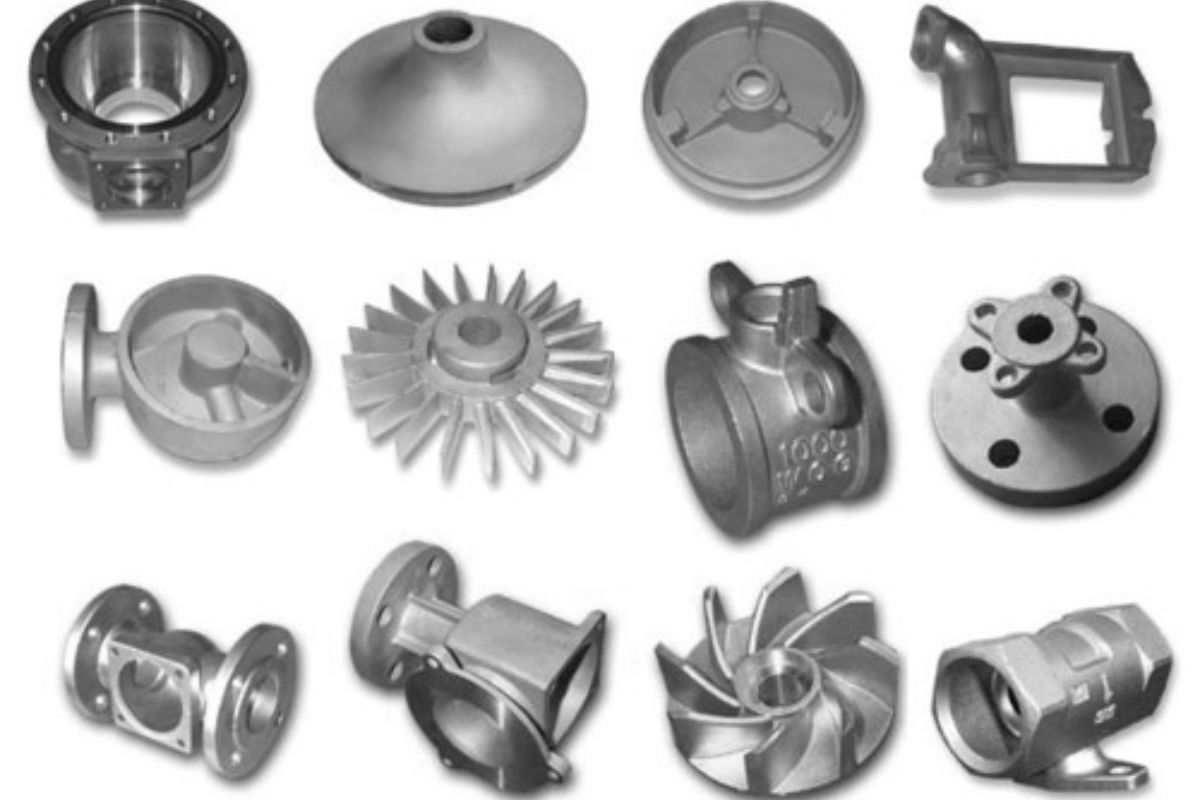
Cast to near-net shape, it forms complex pump and valve bodies for chemical plants while keeping tight tolerances and smooth surfaces.
CN7M cast stainless is the ACI designation for cast Alloy 20 under ASTM A351 and A743. As a CN7M cast stainless, it carries about 20% chromium, 34% nickel, plus copper and molybdenum.
The high nickel content is what gives resistance to stress-corrosion cracking that ordinary stainless steels lack.
Copper is the key to sulphuric acid resistance, while molybdenum fights pitting and chlorides. Together they make Alloy 20 a specialist chemical-service grade.
In an Alloy 20 vs 316 comparison, 316 is cheaper and fine for mild media, but only Alloy 20 investment casting survives strong sulphuric acid and reducing conditions.
316 (CF8M) resists chlorides and general corrosion at low cost.
It fails quickly in strong sulphuric or reducing acids.
It suits water, food, and mild chemical duty, not concentrated acids.
Alloy 20 resists sulphuric acid across most concentrations and temperatures.
It withstands chlorides, phosphoric acid, and stress-corrosion cracking.
It gives long life in pickling, plating, and acid process lines.
For the harshest acids, nickel alloys like Hastelloy take over from Alloy 20.
| Factor | Favor Alloy 20 | Favor 316 |
|---|---|---|
| Sulphuric acid | Strong acid service | Little or no acid |
| Chloride level | High chloride and acid | Low chloride |
| SCC risk | High SCC risk | SCC risk low |
| Cost | Premium, justified by life | Low, mild service |
| Typical part | Acid pump, valve, tank | General fittings |
Alloy 20 chemical casting is specified wherever sulphuric acid and aggressive media are handled. As a sulphuric acid resistant casting, it is a staple of chemical process plants.
Chemical process: pumps, valves, and fittings for sulphuric and mixed acids.
Pharmaceutical and food: pickling, plating, and acid-handling equipment.
Fertiliser and plating: tanks, agitators, and components in acidic baths.
Connect with our experts for quick, reliable answers.
The acid resistance of Alloy 20 investment casting depends on clean chemistry and sound structure. Inclusions, porosity, or wrong heat treatment create attack sites in service.
A smooth surface resists acid attack and fouling. Uni Deritend’s robotic shelling gives consistent finishes on chemical-service castings.
Rough surfaces trap acid and start localised corrosion, shortening life.
Accurate pump and valve castings seal reliably and reduce machining and leak paths.
Correct solution annealing and low inclusion counts protect Alloy 20’s acid resistance and strength.
Uni Deritend casts a range of corrosion-resistant grades for chemical, acid, and chloride duty.
| ACI Grade | Common Name | Key Feature |
|---|---|---|
| CN7M | Alloy 20 | Sulphuric acid resistance |
| CF8M | 316 stainless | Chloride resistance |
| CD4MCu | Duplex stainless | High strength, chlorides |
| CW6M | Hastelloy C | Severe acid and oxidiser duty |
| M35-1 | Monel | Seawater and HF service |
Alloy 20 investment casting is the specialist grade for sulphuric acid and aggressive chemical service. For Alloy 20 castings with full traceability, explore Uni Deritend’s investment casting and manufacturing capacity, or read this Alloy 20 reference.
Frequently Asked Question on
Alloy 20 Investment Casting
Alloy 20 investment casting is used for pumps, valves, fittings, and tanks in sulphuric acid and aggressive chemical service, where standard stainless steels corrode quickly.
Alloy 20 (CN7M cast stainless) is the classic sulphuric acid resistant casting. For the most severe acids, nickel alloys such as Hastelloy are used instead.
CN7M cast stainless is the ACI designation for cast Alloy 20 under ASTM A351 and A743, with copper and molybdenum for sulphuric acid and chloride resistance.
316 (CF8M) suits mild media at low cost, but only Alloy 20 investment casting resists strong sulphuric acid, reducing conditions, and stress-corrosion cracking.
Copper is the key alloying element for sulphuric acid resistance, backed by molybdenum for pitting and high nickel for stress-corrosion cracking resistance.
Yes. Uni Deritend, founded in 1977 and AS9100 and IATF 16949 certified, exports Alloy 20 investment casting to global OEMs with full traceability and testing.
👉 Get Quote on WhatsApp