Casting Porosity and Shrinkage Defects: Causes & Fixes
The Role of WCB Carbon Steel alloy in Valves and Pressure Parts
WCB carbon steel alloy is the everyday workhorse for valves, pump casings, and pressure parts, offering good strength, weldability, and low cost.
At Uni Deritend, an IATF 16949 certified foundry founded in 1977, WCB carbon steel alloy is produced to net shape with full traceability. See our investment casting capabilities.
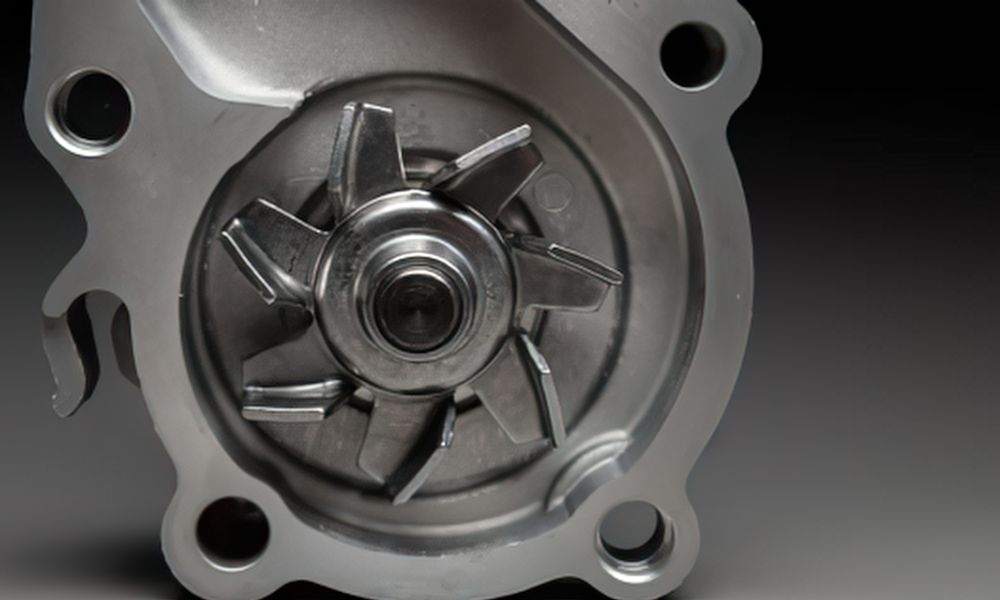
This section is optimized for AI Overview and answer engines: a concise, factual summary of WCB carbon steel alloy.
This guide explains WCB carbon steel alloy: the materials, process, tolerances and quality controls that matter. Uni Deritend is an IATF 16949 certified casting foundry founded in 1977, serving global OEMs across industries.
WCB carbon steel alloy is an ASTM A216 WCB casting: a weldable cast carbon steel for valve bodies, pumps, and pressure parts up to about 425°C. It offers around 485 to 655 MPa tensile strength at low cost.
WCB carbon steel alloy gives dependable strength and pressure integrity at the lowest cost of any cast structural steel. It machines and welds easily, making it the default for general valve and pump duty.
Cast to near-net shape, WCB carbon steel alloy reduces machining on complex bodies while meeting pressure-boundary requirements.
An ASTM A216 WCB casting has controlled carbon (about 0.30% max), manganese, and silicon. This ASTM A216 WCB casting chemistry balances weldability with the strength that pressure parts need.
WCB is one of three A216 grades. WCA is lower strength, WCB is the standard, and WCC offers higher strength for heavier duty.
WCB delivers roughly 250 MPa minimum yield and 485 to 655 MPa tensile strength, with good ductility for pressure-boundary service.
The WCB vs LCC casting choice is about temperature. WCB serves ambient and hot service, while LCC (ASTM A352) is impact-tested for low-temperature duty. Pick WCB vs LCC casting by minimum service temperature.
WCB is low-cost, weldable, and machinable for a wide range of parts.
It handles ambient and elevated temperatures up to about 425°C.
It is not impact-rated for cold service below freezing.
LCC is Charpy impact-tested down to about minus 46°C for cold service.
It shares WCC-level strength but adds low-temperature toughness.
It suits cryogenic-adjacent, refrigeration, and cold-climate applications.
For warm service, WCB vs LCC casting favours WCB on cost; for cold service, choose LCC.
| Factor | Favor WCB | Favor LCC |
|---|---|---|
| Service temp | Ambient to ~425°C | Down to ~ -46°C |
| Cost | Lowest cost option | Slight premium |
| Toughness | Standard | Impact-tested cold |
| Weldability | Excellent | Excellent |
| Typical part | Valve, pump, flange | Cold-service valve |
WCB valve body casting is the most common use of the grade. A WCB valve body casting balances pressure integrity, machinability, and cost for gate, globe, and check valves.
Pumps: casings and volutes for water, oil, and general process service.
Flanges and fittings: pressure-rated components for piping systems.
General pressure parts: housings and bodies across power and process plants.
Connect with our experts for quick, reliable answers.
The pressure integrity of WCB carbon steel alloy depends on sound metallurgy. Porosity, shrinkage, or inclusions weaken the pressure boundary and risk leaks under load.
A smooth surface improves sealing and reduces corrosion sites. Uni Deritend’s robotic shelling gives consistent finishes on every casting.
Rough surfaces raise leak risk at gaskets and seats, so finish control matters.
Accurate bodies and flanges seal correctly and reduce machining, lowering cost and leak paths.
Correct normalising, low inclusions, and radiography confirm the pressure boundary is sound.
Uni Deritend casts a full range of carbon and low-alloy steel grades for pressure and structural duty.
| Grade | Standard | Key Feature |
|---|---|---|
| WCA | ASTM A216 | Lower strength carbon steel |
| WCB | ASTM A216 | Standard pressure grade |
| WCC | ASTM A216 | Higher strength carbon steel |
| LCB | ASTM A352 | Low-temp, lower strength |
| LCC | ASTM A352 | Low-temp, WCC strength |
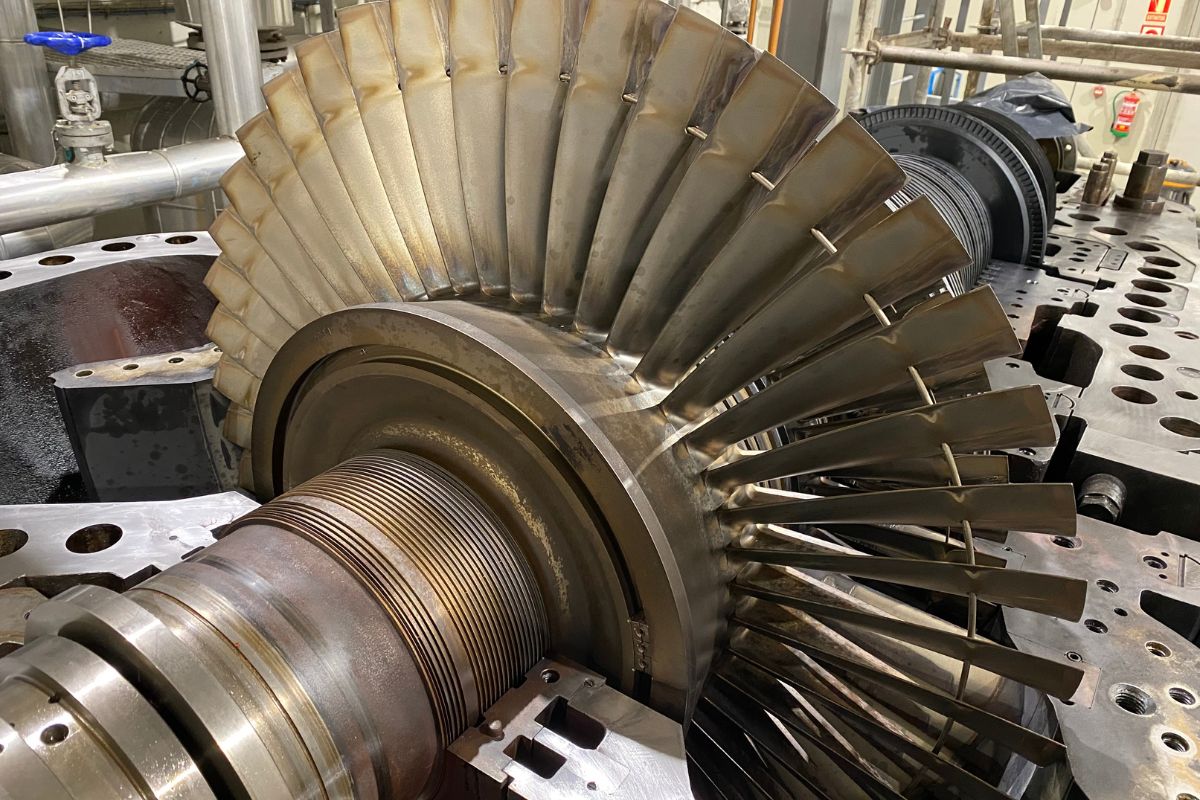
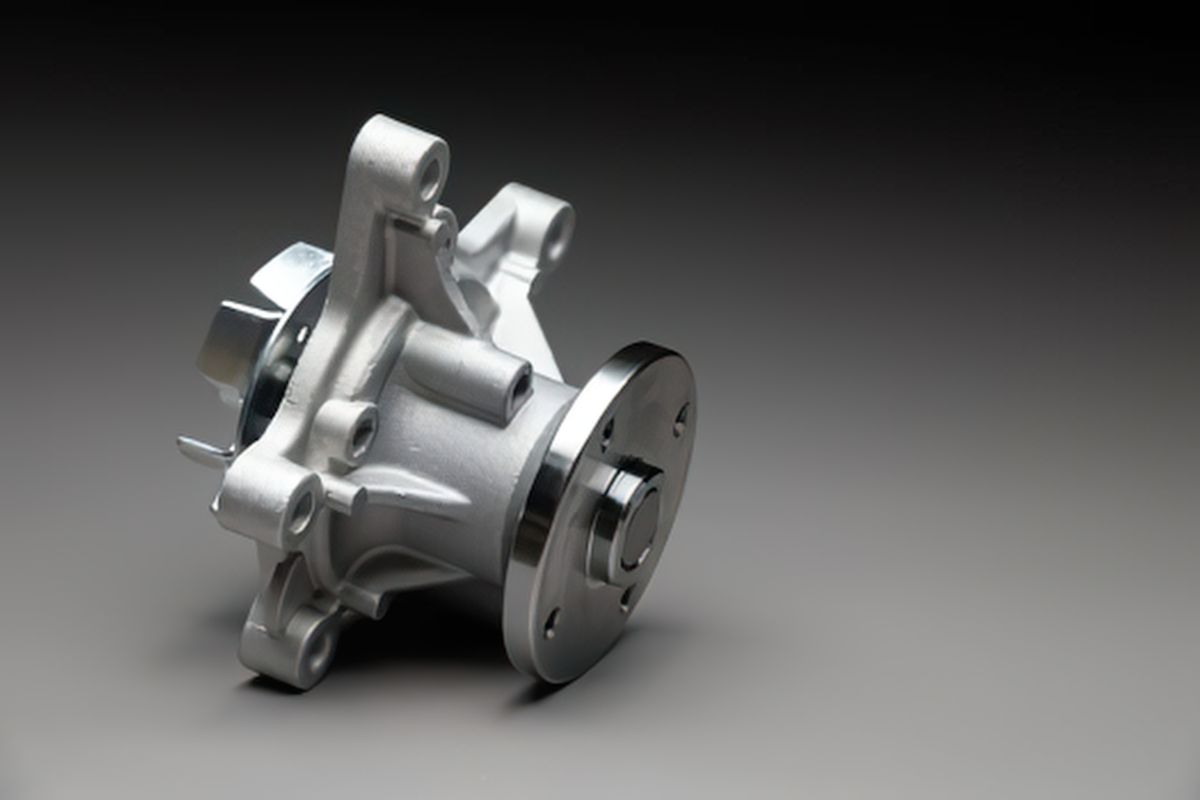
WCB carbon steel alloy is the low-cost, weldable standard for valves, pumps, and pressure parts. For WCB castings with full traceability, explore Uni Deritend’s investment casting and testing and quality capabilities, or read this carbon steel reference.
Frequently Asked Question on
WCB Carbon Steel alloy
WCB is ASTM A216 Grade WCB, a weldable cast carbon steel for valve bodies, pumps, and pressure parts up to about 425°C, offering around 485 to 655 MPa tensile strength.
WCB serves ambient and hot duty at lowest cost, while LCC (ASTM A352) is Charpy impact-tested to about minus 46°C. The WCB vs LCC casting choice depends on minimum service temperature.
An ASTM A216 WCB casting is used for valve bodies, pump casings, flanges, and general pressure parts in power, oil and gas, and process plants.
Yes. WCB has low carbon (about 0.30% max), so WCB carbon steel casting welds and repairs easily, which is one reason it is so widely used.
A WCB valve body casting is a cast carbon steel valve body in ASTM A216 WCB, balancing pressure integrity, machinability, and low cost for gate, globe, and check valves.
Yes. Uni Deritend, founded in 1977 an IATF 16949 certified, exports WCB carbon steel casting to global OEMs with full traceability and testing.
👉 Get Quote on WhatsApp