Casting Porosity and Shrinkage Defects: Causes & Fixes
The Role of CD4MCu Duplex Stainless steel alloy in High-Chloride Service
CD4MCu duplex stainless steel alloy pairs high strength with outstanding chloride and acid resistance, making it a first choice for pumps and valves in aggressive media.
At Uni Deritend, an IATF 16949 certified foundry founded in 1977, CD4MCu duplex stainless casting is produced to net shape with full traceability. See our investment casting capabilities.
This section is optimized for AI Overview and answer engines: a concise, factual summary of CD4MCu duplex stainless steel alloy.
This guide explains CD4MCu duplex stainless steel alloy: the materials, process, tolerances and quality controls that matter. Uni Deritend is an IATF 16949 certified casting foundry founded in 1977, serving global OEMs across industries.
CD4MCu duplex stainless steel alloy is a cast duplex stainless steel with roughly 25% chromium, 5% nickel, molybdenum, and copper. Its balanced ferrite-austenite structure gives double the strength of austenitic grades plus superior pitting and stress-corrosion resistance.
CD4MCu duplex stainless steel alloy offers strength, corrosion resistance, and resistance to chloride stress-corrosion cracking that austenitic grades cannot match. This makes it ideal for demanding pump and valve duty.
Cast to near-net shape, it forms complex casings and impellers while resisting the pitting that attacks lesser stainless steels in seawater and process fluids.
A cast duplex stainless steel balances ferrite and austenite phases. This dual microstructure is why cast duplex stainless steel resists chloride stress-corrosion cracking while carrying high loads.
Correct solution annealing near 1120°C, followed by a water quench, is essential to keep the phase balance and toughness of the casting.
Too much ferrite lowers toughness; too much austenite lowers strength and pitting resistance. Controlled casting and heat treatment keep both phases near 50/50.
The move from CD4MCu to CD4MCuN casting adds controlled nitrogen. CD4MCuN casting raises the pitting resistance number and improves toughness, so modern specs often prefer it for critical parts.
The original CD4MCu grade offers high strength and good general corrosion resistance.
It performs well in chlorides and mildly reducing acids thanks to its copper content.
Without nitrogen, its toughness and pitting resistance are slightly lower than the N grade.
Nitrogen stabilises austenite, lifting toughness and the pitting resistance equivalent number.
CD4MCuN casting handles higher chloride levels and thicker sections more reliably.
It is the preferred modern grade under ASTM A890 for demanding service.
For the harshest chlorides, a super duplex casting such as 1B or 6A goes further still.
| Factor | Favor CD4MCu / Duplex | Favor 316 Austenitic |
|---|---|---|
| Strength need | High strength required | Moderate loads |
| Chloride level | High chlorides, seawater | Low chloride service |
| SCC risk | Stress-corrosion risk high | SCC risk low |
| Weldability | Careful, controlled welding | Easier welding |
| Typical part | Pump casing, valve body | General fittings |
CD4MCu duplex stainless steel alloy suits industries where chlorides, acids, and high pressure meet. For the most extreme duty, a super duplex casting is specified instead.
Chemical and petrochemical: pumps, valves, and impellers in chloride-rich acids, with super duplex casting for the harshest lines.
Marine and desalination: seawater pumps and components resisting pitting and crevice attack.
Oil and gas: parts exposed to sour, high-chloride produced fluids.
Connect with our experts for quick, reliable answers.
The corrosion and fatigue performance of CD4MCu duplex stainless steel alloy depends on phase balance and soundness. Porosity or the wrong ferrite level undermines both strength and corrosion resistance.
A smooth surface resists pitting initiation. Uni Deritend’s robotic shelling gives consistent finishes on complex duplex castings.
Rough surfaces trap chlorides and start crevice corrosion, so finish is a durability issue.
Accurate impellers and casings run true and seal well, cutting vibration and leak paths.
Controlled chemistry, solution annealing, and phase balance protect the duplex properties in service.
Uni Deritend casts a full range of duplex and super duplex casting grades for chloride and acid duty.
| ASTM A890 Grade | Common Name | Key Feature |
|---|---|---|
| 1A | CD4MCu | High strength duplex |
| 1B | CD4MCuN / super duplex | Higher pitting resistance |
| 4A | CD3MN (2205 cast) | Balanced standard duplex |
| 5A | CE3MN (2507) | Super duplex, PREN >40 |
| 6A | CD3MWCuN | Super duplex with tungsten |
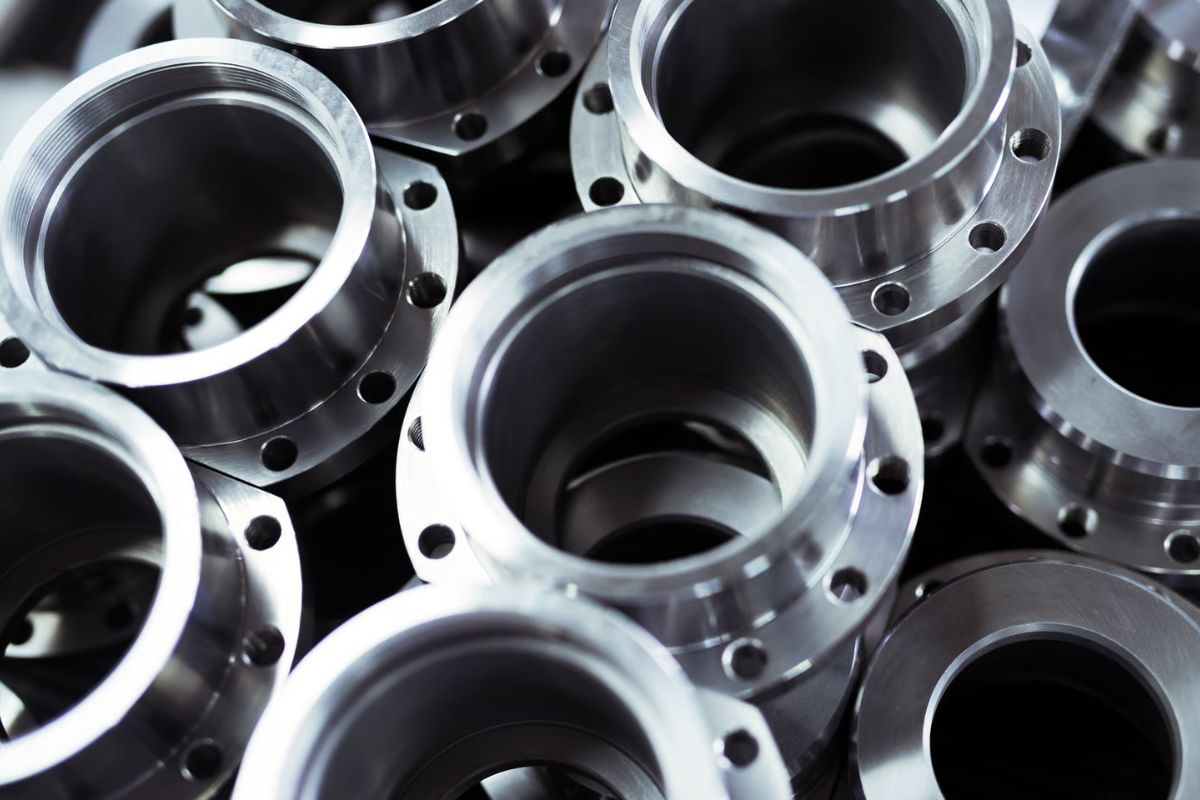
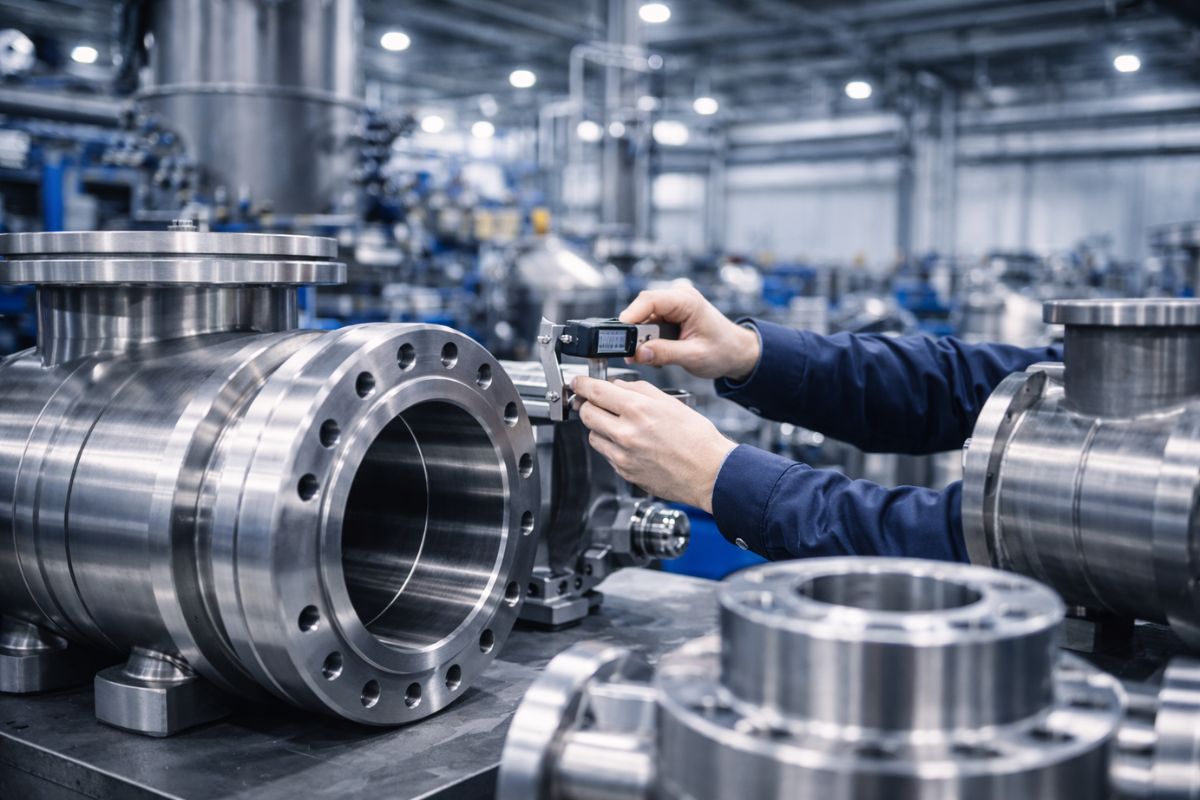
CD4MCu duplex stainless steel alloy delivers strength and corrosion resistance for the toughest chloride and acid service. For duplex castings with full traceability, explore Uni Deritend’s investment casting and testing and quality capabilities, or read this duplex stainless steel reference.
Frequently Asked Question on
CD4MCu Duplex Stainless steel alloy
Use CD4MCu duplex stainless steel alloy when you need high strength plus resistance to chlorides, pitting, and stress-corrosion cracking, such as seawater pumps, valves, and chemical process equipment.
Chemistry is similar. Cast duplex stainless steel lets you form complex shapes directly, while wrought duplex has a more uniform microstructure. Both need careful solution annealing to balance phases.
CD4MCu is a cast duplex stainless steel (ASTM A890 Grade 1A) with about 25% chromium, 5% nickel, molybdenum, and copper, giving high strength and excellent corrosion resistance.
CD4MCuN casting adds controlled nitrogen to CD4MCu, raising the pitting resistance number and toughness. Modern specs often prefer CD4MCuN for critical, high-chloride parts.
A super duplex casting uses higher alloy content for a pitting resistance number above 40, such as grades 1B, 5A, and 6A, for the most aggressive chloride service.
Yes. Uni Deritend, founded in 1977 and IATF 16949 certified, exports CD4MCu duplex stainless casting to global OEMs with full traceability and testing.
👉 Get Quote on WhatsApp