Casting Porosity and Shrinkage Defects: Causes & Fixes
Thin wall casting enables lightweight, high-strength components with complex geometries. Uni Deritend delivers precision thin wall investment casting for critical industries.
January 13, 2026
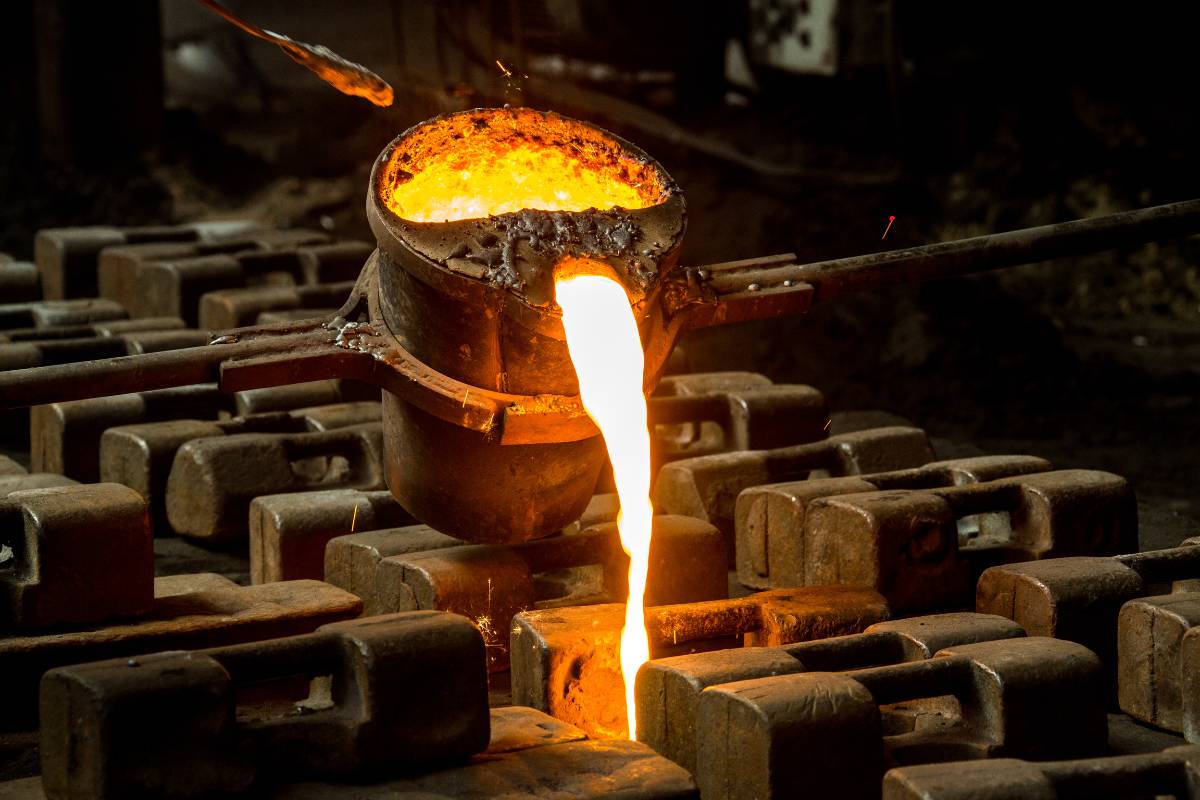
In modern engineering, performance is no longer measured only by strength—it is measured by efficiency, weight reduction, and precision. Thin wall casting has emerged as a critical advancement within investment casting, enabling manufacturers to produce lightweight yet structurally reliable components.
At Uni Deritend, thin wall investment casting is approached as an engineered capability supported by metallurgical control, process discipline, and design collaboration.
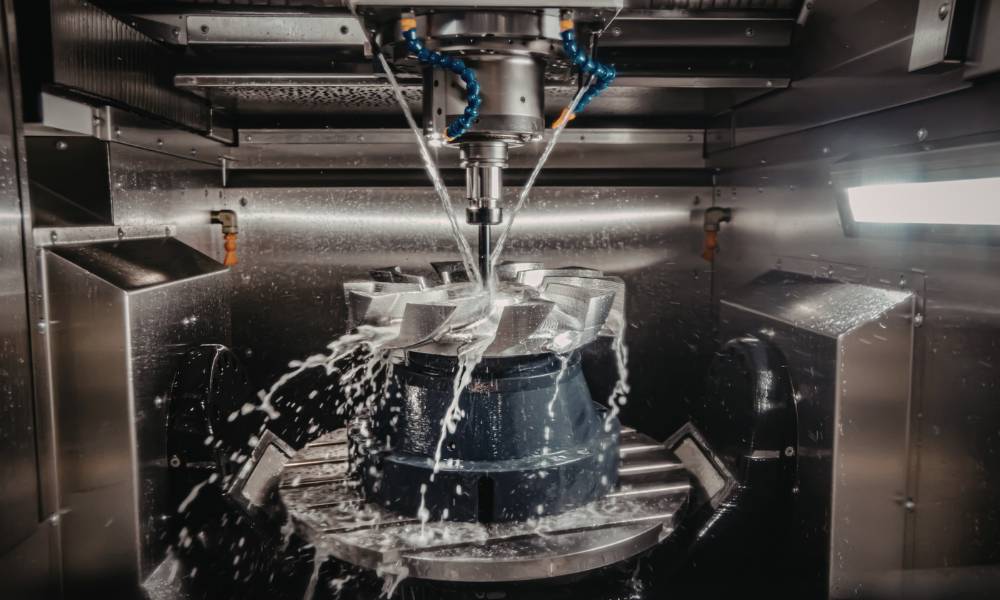
Thin wall investment casting produces metal components with reduced wall thicknesses while maintaining the required structural integrity and dimensional accuracy.
Unlike machining or fabrication, thin wall casting allows:
This makes it ideal for industries demanding lightweight yet durable parts.
Thin wall casting requires precise control of molten metal flow and solidification. As wall thickness decreases, manufacturing challenges increase significantly.
Success depends on metallurgical precision, tooling accuracy, and process control—areas where Uni Deritend excels.
Uni Deritend approaches thin wall casting as an integrated engineering process rather than a standalone operation.
This systematic approach ensures consistent filling, solidification, and repeatability—even at reduced wall thicknesses.
Connect with our experts for quick, reliable answers.
Successful thin wall casting begins at the design stage.
Uni Deritend works closely with customers to refine designs for manufacturability without compromising performance.
Material selection plays a decisive role in thin wall success.
Each alloy is evaluated for fluidity, solidification behavior, and mechanical performance.
Thin wall investment casting is widely adopted across advanced industries.
Reduced weight leads to energy efficiency, cost savings, and improved system performance.
Thin wall casting often replaces machining-intensive designs.
This makes thin wall casting a strategic manufacturing choice rather than a compromise.
Uni Deritend applies stringent inspection standards to thin wall castings.
Components are inspected against specified dimensional, metallurgical, and quality requirements.
Thin wall investment casting represents the future of lightweight, high-performance manufacturing. By combining design intelligence, metallurgical control, and advanced casting techniques, Uni Deritend continues to push the limits of what investment casting can achieve.
Frequently Asked Question About Thin Wall Investment Casting
Thin wall casting typically refers to wall thicknesses below conventional casting norms, often requiring advanced process control to ensure proper metal flow and solidification.
Yes. Properly designed thin wall castings maintain structural continuity, often providing better strength-to-weight ratios than machined components.
Stainless steels, alloy steels, and nickel-based alloys are commonly used due to their fluidity and mechanical performance in thin sections.
Aerospace, automotive, defense, and industrial equipment industries extensively use thin wall investment castings for lightweight and precision components.
Through optimized gating, precise temperature control, advanced shell systems, and metallurgical expertise that ensures consistent metal flow.
Yes. By reducing material usage and machining requirements, thin wall casting lowers overall production costs while improving performance.
Precision Built on Proven Metallurgy
At Uni Deritend, every thin wall investment casting is developed using controlled processes, advanced tooling, and rigorous inspection to ensure consistent quality, performance, and trust in mission-critical applications.
👉 Consult our engineering team today
👉 Get Quote on WhatsApp