Casting Porosity and Shrinkage Defects: Causes & Fixes
Uni Deritend, a leader in alloy steel investment casting, engineers high-strength alloy steel castings that perform reliably under extreme loads, impact forces, and demanding industrial environments.
Alloy steel castings are the backbone of modern heavy-duty engineering. When components must endure abrasion, fatigue, heat, and mechanical stress simultaneously, alloy steel becomes the material of choice. Through precise alloying and controlled casting processes, Uni Deritend ensures superior performance where failure is not an option.
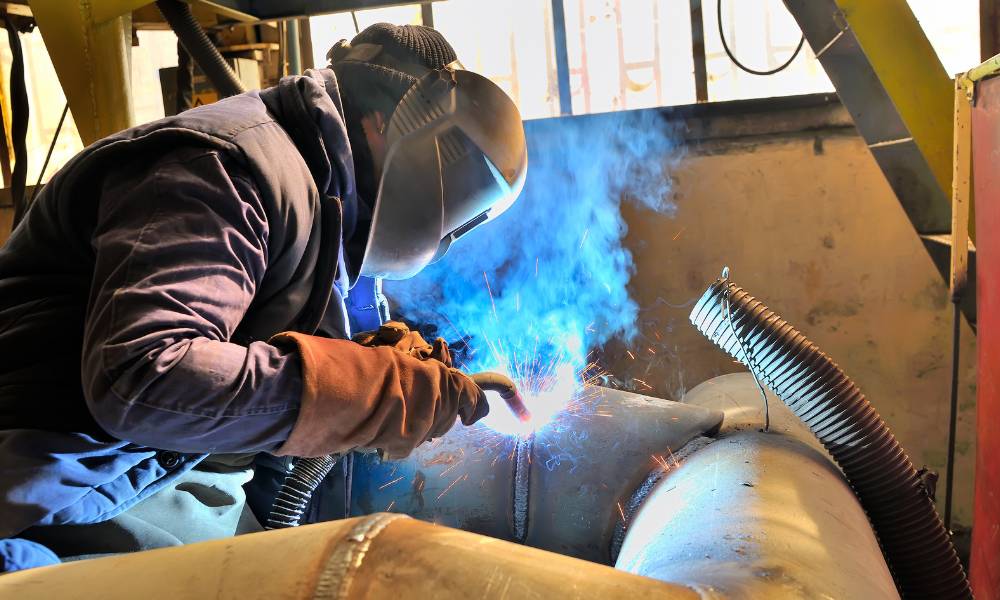
Alloy steel castings are steel components produced by adding controlled amounts of alloying elements such as chromium, molybdenum, nickel, and manganese to molten steel before casting.
These alloying elements significantly enhance:
This makes alloy steel castings ideal for high-stress industrial applications.
High-strength applications demand materials that can sustain continuous stress without deformation or premature failure.
Uni Deritend selects alloy steel grades based on operating conditions, mechanical loads, and industry standards.
Each grade is engineered to meet specific strength, hardness, and toughness requirements.
Connect with our experts for quick, reliable answers.
Alloy steel castings are essential in industries where reliability and performance are mission-critical.
These applications rely on alloy steel castings to withstand extreme mechanical and environmental stresses.
Investment casting allows alloy steel components to be manufactured with precision and consistency.
Uni Deritend’s process control ensures defect-free castings with repeatable quality.
High-strength alloy steel casting success depends on metallurgical precision.
This approach ensures consistent strength, toughness, and wear resistance across every batch.
Uni Deritend follows a stringent quality framework to guarantee reliability.
High-strength alloy steel castings are essential for industries that demand durability, precision, and reliability. With advanced metallurgical control, precision investment casting, and rigorous quality assurance, Uni Deritend delivers alloy steel components engineered to perform under the toughest conditions.
Frequently Asked Question on Understanding Alloy Steel Castings for High-Strength Applications
Alloy steel castings offer enhanced strength, wear resistance, and fatigue life due to controlled alloying elements and heat treatment, making them ideal for high-load environments.
Yes. Alloy steels outperform carbon steels in strength, toughness, and resistance to wear, heat, and impact, especially in demanding industrial applications.
Certain alloy steel grades maintain strength and stability at elevated temperatures, making them suitable for power generation and thermal processing equipment.
Heat treatment optimizes hardness, toughness, and strength by modifying the steel’s microstructure, ensuring consistent performance in service.
Although initial costs may be higher, alloy steel castings reduce maintenance, downtime, and replacement frequency, delivering long-term cost benefits.
Yes. Uni Deritend develops application-specific alloy steel castings tailored to mechanical, thermal, and environmental requirements.
Engineer Strength Where It Matters Most
Choose Uni Deritend for high-performance alloy steel investment castings designed to endure extreme stress and demanding industrial environments.
👉 Connect with our engineering team today
👉 Get Quote on WhatsApp