Casting Porosity and Shrinkage Defects: Causes & Fixes
Investment casting vs. 3D metal printing is an important manufacturing comparison when moving components from concept to production. Uni Deritend helps manufacturers evaluate both technologies objectively, ensuring production-ready solutions that balance precision, scalability, cost efficiency, and long-term performance.
As product complexity increases and time-to-market pressure intensifies, manufacturers often evaluate advanced manufacturing methods beyond traditional machining.
The comparison typically arises when:
However, selecting the wrong process can result in high unit costs, scalability limitations, or inconsistent quality.
Investment casting, also known as the lost-wax process, is a precision manufacturing method used to produce near-net-shape metal components with good surface finish and dimensional accuracy.
Uni Deritend specializes in investment casting solutions engineered for production reliability across industries.
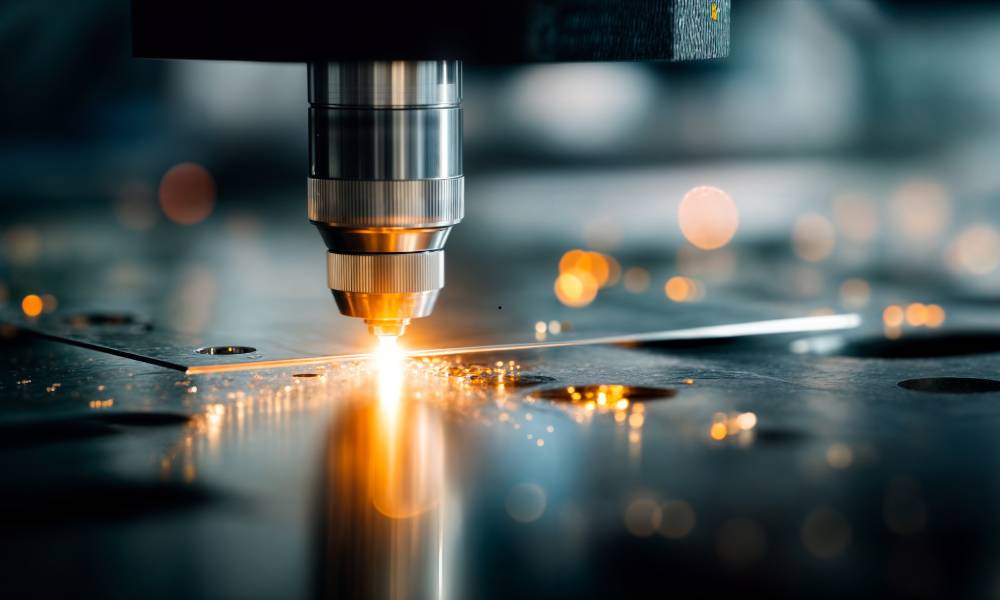
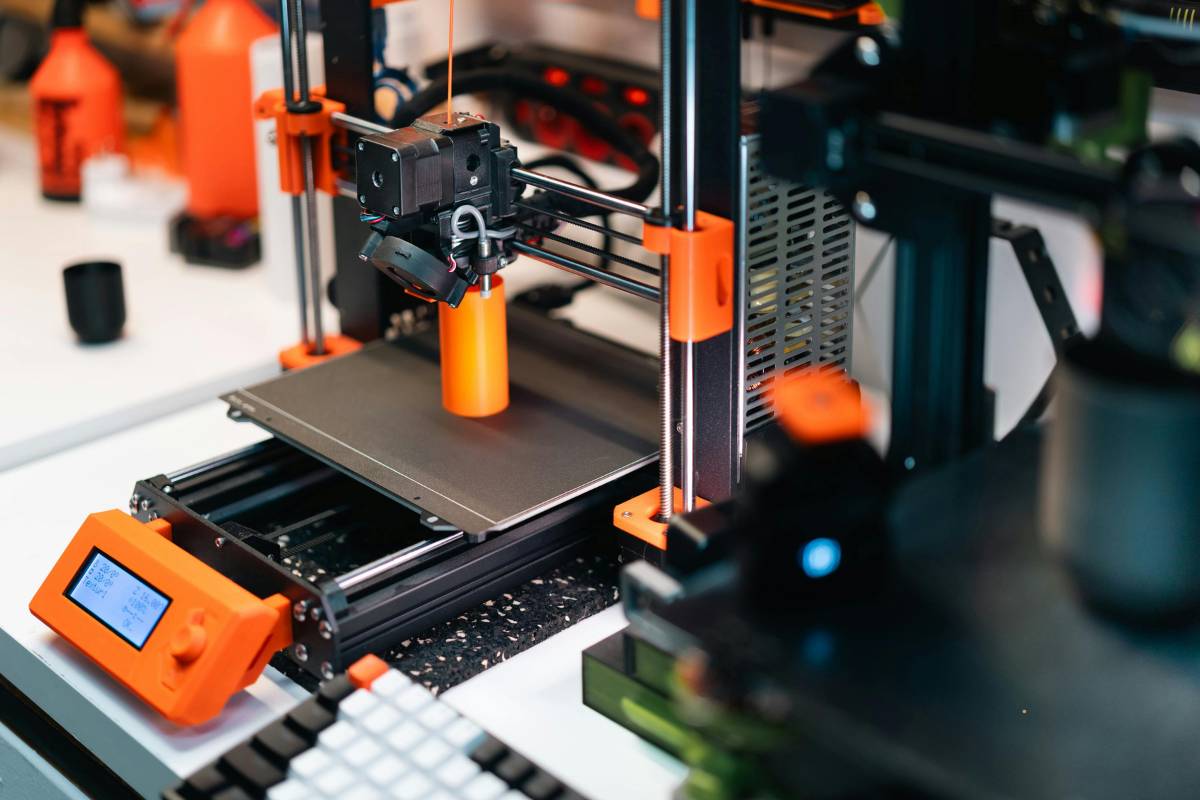
3D metal printing, or additive manufacturing, builds components layer by layer using powdered metal fused by lasers or electron beams.
3D metal printing excels in early-stage development and low-volume experimentation.
Connect with our experts for quick, reliable answers.
This investment casting vs. 3D metal printing comparison examines design flexibility, production volume, unit cost, material options, and mechanical performance.
For medium-to-high production volumes, investment casting is often more cost-effective than additive manufacturing.
Investment casting supports a wider range of alloys including stainless steels, duplex steels, superalloys, bronze, and copper alloys.
Properly designed and processed investment cast components can provide reliable fatigue performance, largely isotropic properties, and consistent metallurgical quality.
In contrast, 3D printed metals may exhibit anisotropy and require extensive post-processing.
Investment casting delivers smoother as-cast surfaces compared to additive manufacturing, which often requires extensive finishing.
Investment casting can achieve repeatable tolerances suitable for production assemblies, while 3D-printed parts may require secondary machining.
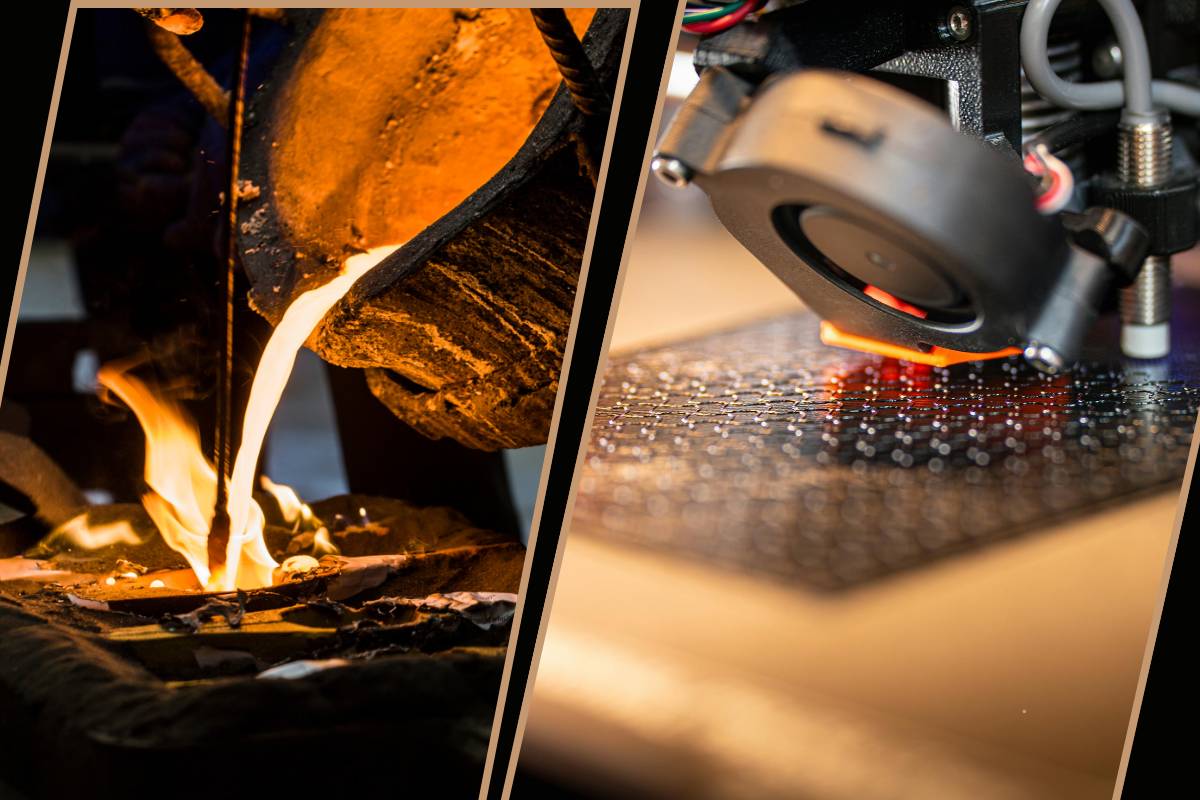
Uni Deritend supports both prototyping and high-volume manufacturing through optimized investment casting workflows.
3D metal printing is ideal when:
Uni Deritend often integrates 3D printing for rapid prototyping before transitioning to casting for production.
Investment casting is preferred when:
For production-grade components, investment casting delivers unmatched reliability.
Modern manufacturing increasingly uses a hybrid approach:
Uni Deritend supports this transition seamlessly, helping customers move from design validation to scalable manufacturing.
Key Advantages
Uni Deritend ensures manufacturing decisions align with long-term business success.
Years of Experience – Founded in 1977
With decades of engineering expertise, Uni Deritend helps manufacturers select the right process—balancing innovation, performance, and production efficiency.
Investment casting vs. 3D metal printing is not a competition—it is a strategic choice. While additive manufacturing accelerates development, investment casting delivers production-ready reliability, cost efficiency, and metallurgical performance. Uni Deritend empowers manufacturers to choose wisely and scale confidently.
Frequently Asked Question About Investment Casting vs 3D Metal Printing
For production volumes, investment casting is significantly more cost-effective than 3D metal printing due to lower per-part costs and scalable manufacturing processes.
3D metal printing complements investment casting but does not replace it for high-volume production, mechanical consistency, or cost-sensitive manufacturing programs.
Investment casting provides more consistent mechanical properties, better fatigue strength, and proven metallurgical performance compared to most 3D printed metals.
Yes. Investment casting produces smoother as-cast surfaces, reducing the need for extensive post-processing required in additive manufacturing.
Uni Deritend supports rapid prototyping using additive methods and transitions designs to investment casting for scalable, production-ready manufacturing.
Aerospace, automotive, energy, marine, industrial engineering, and heavy equipment industries benefit most from investment casting due to durability and scalability.
Confused between Investment Casting vs 3D Metal Printing?
Get expert guidance to choose the most efficient, cost-effective solution for your component.
👉 Talk to our manufacturing specialists today.
👉 Get Quote on WhatsApp