Radiographic Testing of Castings: NDT Methods Guide
Ensure absolute integrity. Meet global Quality and Certification Standards for Nuclear Castings (ASME/RCC-M) with Uni Deritend.
December 16, 2025
In nuclear manufacturing environments, quality and certification standards for nuclear castings define safety, performance, and lifecycle reliability. At UniDeritend, every nuclear casting is engineered to comply with global nuclear standards, ensuring absolute confidence in critical power generation systems.
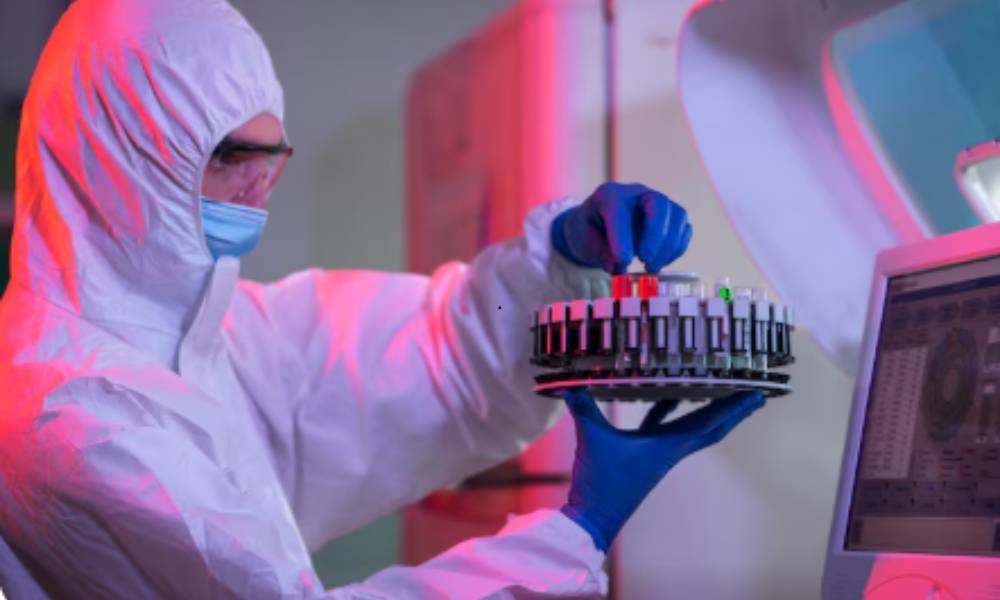
Nuclear power systems operate under extreme temperatures, pressure, radiation exposure, and long service cycles. Any deviation in material integrity or dimensional accuracy can result in operational risk or regulatory non-compliance.
Quality standards exist to:
For nuclear buyers, adherence to certified quality systems is not optional—it is mandatory.
Unlike conventional industrial castings, nuclear castings must meet layered requirements across design, material selection, manufacturing, testing, and documentation.
Key differentiators include:
These requirements ensure that castings perform exactly as engineered under nuclear operating conditions.
ISO-aligned quality systems form the foundation for controlled manufacturing, documentation, and continuous improvement in nuclear casting environments.
Nuclear projects often include customer-defined specifications covering inspection levels, testing frequency, and documentation depth beyond standard industrial norms.
Each nuclear casting is supplied with verified material test certificates confirming:
Connect with our experts for quick, reliable answers.
NDT ensures internal and surface integrity without damaging the component.
Detects internal porosity, shrinkage, and inclusions critical to nuclear safety.
Identifies internal discontinuities and ensures uniform material density.
Used to detect surface and near-surface defects that could compromise sealing or fatigue resistance.
UniDeritend integrates NDT into multiple production stages—not just final inspection.
Quality nuclear castings begin with metallurgical precision.
Strict control of alloy composition ensures predictable mechanical behavior under radiation and thermal cycling.
Heat treatment cycles are documented, validated, and recorded to ensure correct microstructure and mechanical properties.
Casting simulations reduce defect probability before production begins—supporting first-time-right manufacturing.
Dimensional compliance is critical for nuclear assemblies where misalignment can cause system inefficiencies or failure.
Inspection methods include:
All measurements are documented and traceable to inspection equipment calibration records.

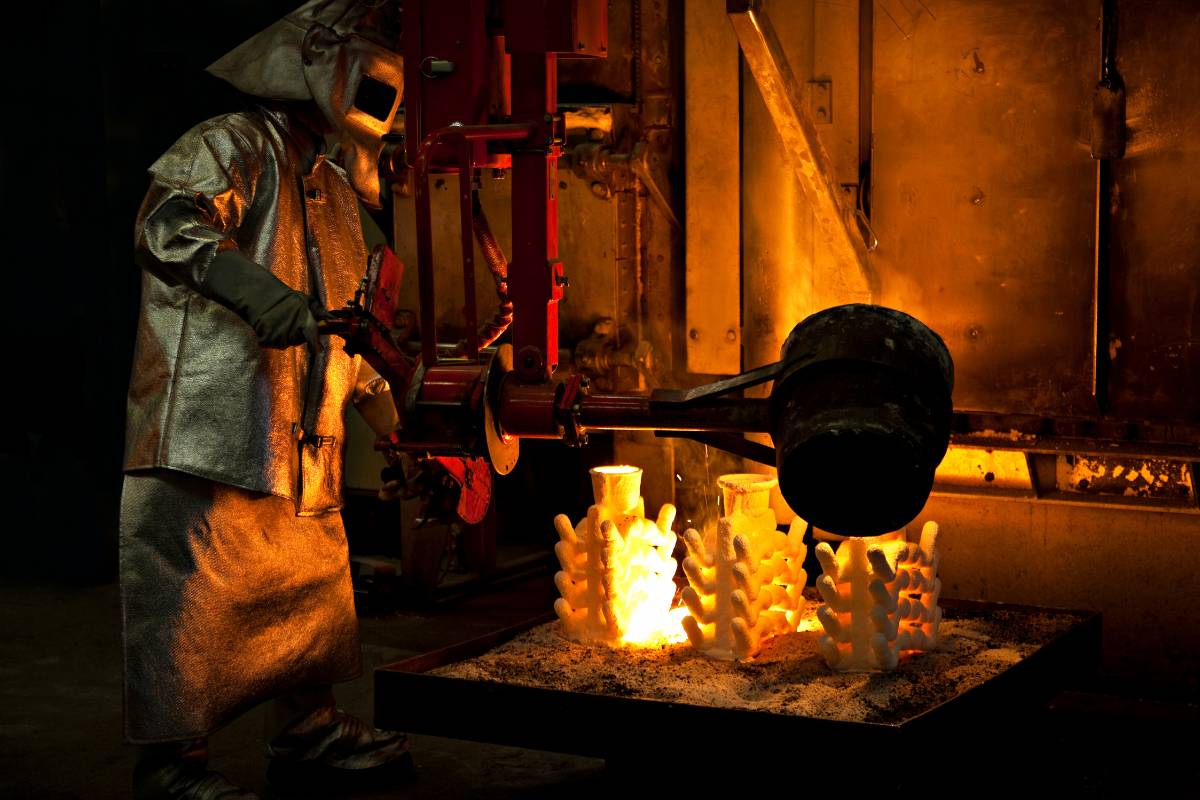
Traceability is the backbone of nuclear certification.
Each nuclear casting includes:
This documentation supports regulatory audits and long-term asset management.
As a trusted nuclear casting partner, UniDeritend delivers:
Every nuclear casting is engineered, validated, and delivered with compliance at its core.
In nuclear applications, quality shortcuts can lead to costly operational risks.
Quality & certification standards for nuclear castings protect not just equipment—but people, infrastructure, and the environment. UniDeritend’s disciplined approach to certified manufacturing, testing, and traceability ensures nuclear components that perform reliably throughout their service life.
Frequently Asked Question on Quality & Certification Standards for Nuclear Castings
Quality standards ensure nuclear castings meet strict safety, reliability, and regulatory requirements, reducing operational risks and ensuring predictable long-term performance in nuclear power environments.
Nuclear castings require ISO-based quality systems, customer-specific nuclear standards, documented NDT results, and full material traceability throughout manufacturing and inspection.
Non-destructive testing identifies internal and surface defects without damaging components, ensuring nuclear castings meet structural integrity and safety expectations.
Metallurgical control ensures correct alloy composition, heat treatment, and microstructure—critical for radiation resistance and long-term nuclear performance.
Traceability enables verification of material origin, process history, and inspection results, supporting regulatory audits and lifecycle management of nuclear components.
UniDeritend integrates certified processes, advanced testing, metallurgical expertise, and complete documentation to deliver compliant nuclear-grade castings.
Ensure Absolute Nuclear Integrity Compliance with the highest industry standards is crucial for critical nuclear components. Partner with Uni Deritend to meet stringent Quality & Certification Standards for Nuclear Castings. 👉 Request our full Certification Dossier today.
👉 Get Quote on WhatsApp