Casting Porosity and Shrinkage Defects: Causes & Fixes
At Uni Deritend, we understand that the role of investment casting in the defense supply chain is critical to national security. By supplying high-precision investment cast components with controlled quality and traceability, we support indigenous defense manufacturing and help reduce import dependence.
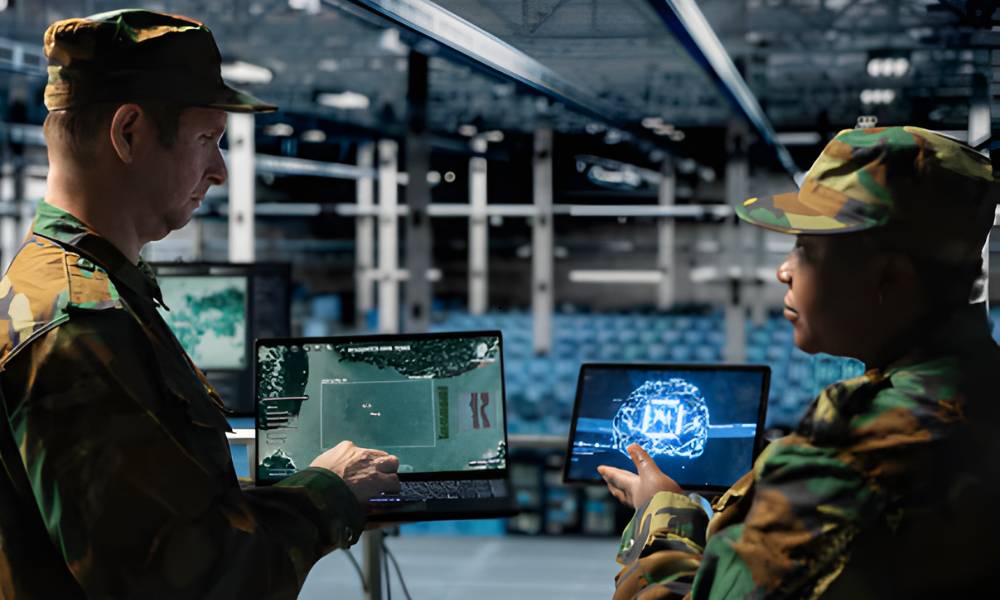
In the modern geopolitical landscape, a nation’s defense capability is only as strong as its supply chain. The ability to rapidly produce, test, and deploy critical components determines military readiness. For decades, the defense sector relied heavily on imports for high-precision parts, creating vulnerabilities during times of crisis. Today, the narrative has shifted toward self-reliance (“Atmanirbhar Bharat”), and investment casting is at the heart of this transformation.
Explore the role of investment casting in the defense supply chain. Uni Deritend strengthens military readiness with its sophisticated casting technologies
Investment casting (lost wax casting) is not just a manufacturing process; it is a strategic asset. It allows for the production of complex, near-net-shape components that are lighter, stronger, and more reliable than those made by traditional methods. From the turbine blades in a fighter jet to the trigger mechanism in an assault rifle, investment casting ensures that the defense supply chain remains robust, agile, and independent of foreign reliance.
At Uni Deritend, we don’t just cast metal; we cast confidence. As a key partner to defense OEMs and Ordnance Factories, we bridge the gap between design concepts and battlefield-ready reality.
Military applications are unforgiving. A component failure in a commercial machine causes downtime; a failure in a defense system can cost lives. This is why military grade casting standards are among the most stringent in the world.
Unlike commercial casting, defense components must survive:
Uni Deritend adheres to standards such as MIL-STD-2175 (Classification and Inspection of Castings) and AMS 2175. We implement a “zero-deviation” policy. Every heat of metal is tested for chemical composition, and every single casting undergoes rigorous Non-Destructive Testing (NDT) to ensure it meets the fracture toughness and fatigue life required for combat.
For any manufacturer entering the Indian defense ecosystem, the DGQA casting approval process is the ultimate benchmark of capability. The Directorate General of Quality Assurance (DGQA) ensures that equipment supplied to the armed forces meets approved specifications.
This rigor ensures that when a Uni Deritend component is installed in a tank or missile, it performs exactly as predicted.
Modern warfare relies on precision. Precision casting for weapons systems involves creating intricate, lightweight parts that function seamlessly in complex assemblies.
By replacing machined-from-solid parts with investment castings, we significantly reduce material waste and production time, allowing defense agencies to stockpile critical spares more efficiently.
Connect with our experts for quick, reliable answers.
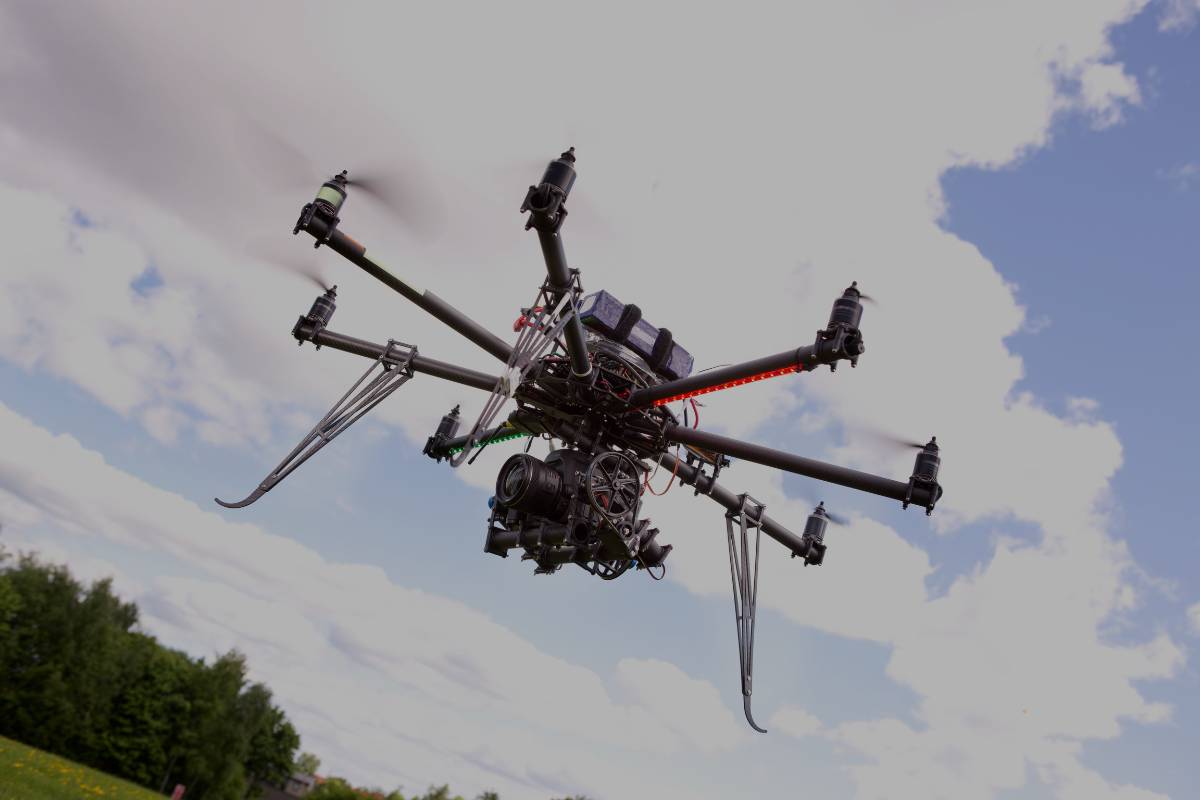
Unmanned Aerial Vehicles (UAVs) are the future of reconnaissance and combat. The primary challenge in UAV design is the “weight-to-payload” ratio. Every gram saved on the airframe allows for more sensors, batteries, or fuel.
UAV Components Casting at Uni Deritend focuses on lightweighting without sacrificing stiffness.
Resilience means the ability to recover quickly from disruptions. By localizing the production of critical castings, Uni Deritend protects the defense supply chain from geopolitical shocks.
The future of defense manufacturing lies in hybrid manufacturing. We are exploring the integration of additive manufacturing with traditional casting to create “smart castings” with embedded sensors for health monitoring. Additionally, the shift toward hypersonic missiles creates a demand for superalloys that can withstand temperatures exceeding 1500°C—a challenge Uni Deritend’s metallurgical team is already actively solving.
In this evolving landscape, our role remains constant: to be the silent, reliable partner ensuring that when defense systems are called upon, they work.
Frequently Asked Question on the Role of Investment Casting in the Defense Supply Chain
It provides a localized, scalable source for high-precision components, reducing reliance on foreign imports. It enables the rapid production of complex parts for weapons and vehicles, ensuring military readiness and supply chain resilience.
It is a rigorous quality certification by the Directorate General of Quality Assurance. It involves validating foundry processes, conducting destructive testing on pilot batches, and ensuring complete material traceability to meet military specifications for safety and performance.
Weapons systems rely on intricate moving parts that must function under extreme stress and recoil. Precision casting delivers tight tolerances and consolidated designs, reducing failure points and ensuring consistent accuracy and reliability in the field.
We cast structural nodes, engine mounts, gimbal housings, and landing gear components. Investment casting is ideal for UAVs because it allows for thin-wall, lightweight designs using aluminum and titanium, maximizing payload capacity and flight duration.
We adhere to standards like MIL-STD-2175 and AMS 2175. Our facility utilizes advanced NDT methods, including radiography and magnetic particle inspection, to ensure every casting meets the strict defect-acceptance criteria required for combat use.
Yes, we specialize in reverse engineering. Using 3D scanning and metallurgical analysis, we can recreate casting blueprints for legacy defense equipment, solving critical spare parts shortages for aging military platforms.
Talk to Uni Deritend’s Experts – Delivering Over 45 Years of Engineering Excellence Since 1977.
Strengthen your defense capabilities with a partner who understands the gravity of national security.
👉 Get Quote on WhatsApp