Casting Porosity and Shrinkage Defects: Causes & Fixes
At Uni Deritend, analyzing the investment casting vs. die casting trade-off is essential for manufacturing success. We help engineers navigate material limitations, tooling investments, and design complexity to ensure the selected process delivers maximum value, precision, and performance for your specific application.
When designing a new metal component, engineers often face a critical decision at the blueprint stage: Investment Casting vs. Die Casting. Both are established manufacturing processes capable of producing near-net-shape parts, yet they serve very different engineering needs. Making the wrong choice can lead to ballooning tooling costs, material limitations, or compromised part performance.
Compare investment casting vs. die casting with Uni Deritend’s expert guide. Choose the best process based on material, volume, and cost.
At Uni Deritend, we believe in empowering our clients with technical clarity. While we specialize in high-precision investment casting (lost wax), we understand the manufacturing landscape. This guide breaks down the technical, financial, and operational differences between these two titans of the foundry world to help you answer the question: Which is right for your part?
To understand the comparison of investment casting vs. die casting, we must look at the mold mechanism and material capabilities.
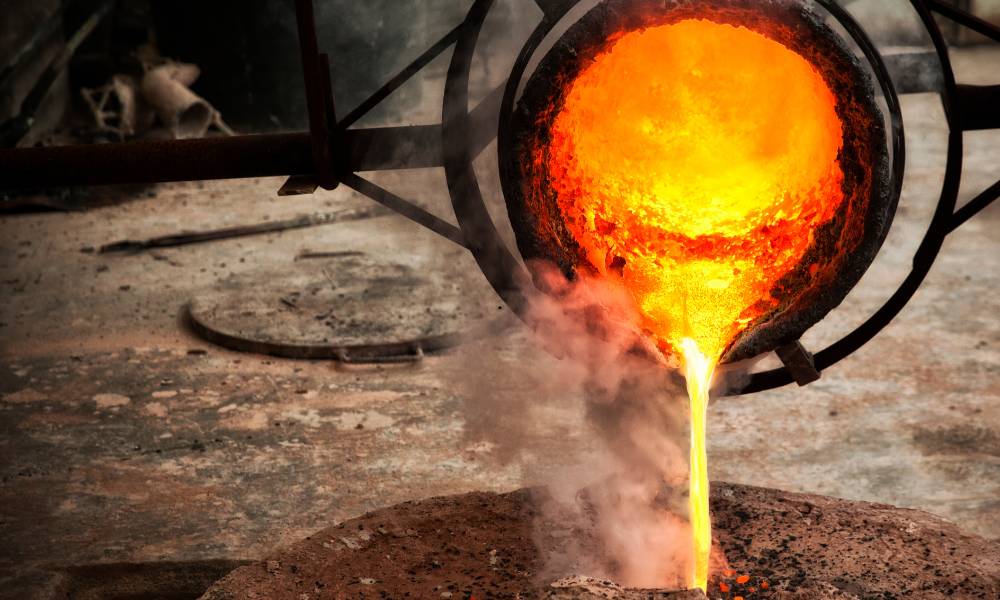
Die Casting (High Speed, Non-Ferrous) Die casting forces molten metal under high pressure into a reusable steel mold (die). It is essentially “metal injection molding.”
Investment Casting (High Precision, All Alloys) Investment casting uses a wax pattern to create a ceramic shell mold. The wax is melted out (lost wax), and molten metal is poured in. The ceramic mold is broken away to reveal the part.
Material selection is often the tie-breaker in the investment casting vs. die casting debate.
The Die Casting Limitation: Die casting relies on steel molds. If you pour high-melting-point metals like steel into a die casting machine, the mold will degrade rapidly due to thermal shock. Therefore, die casting is strictly limited to non-ferrous alloys:
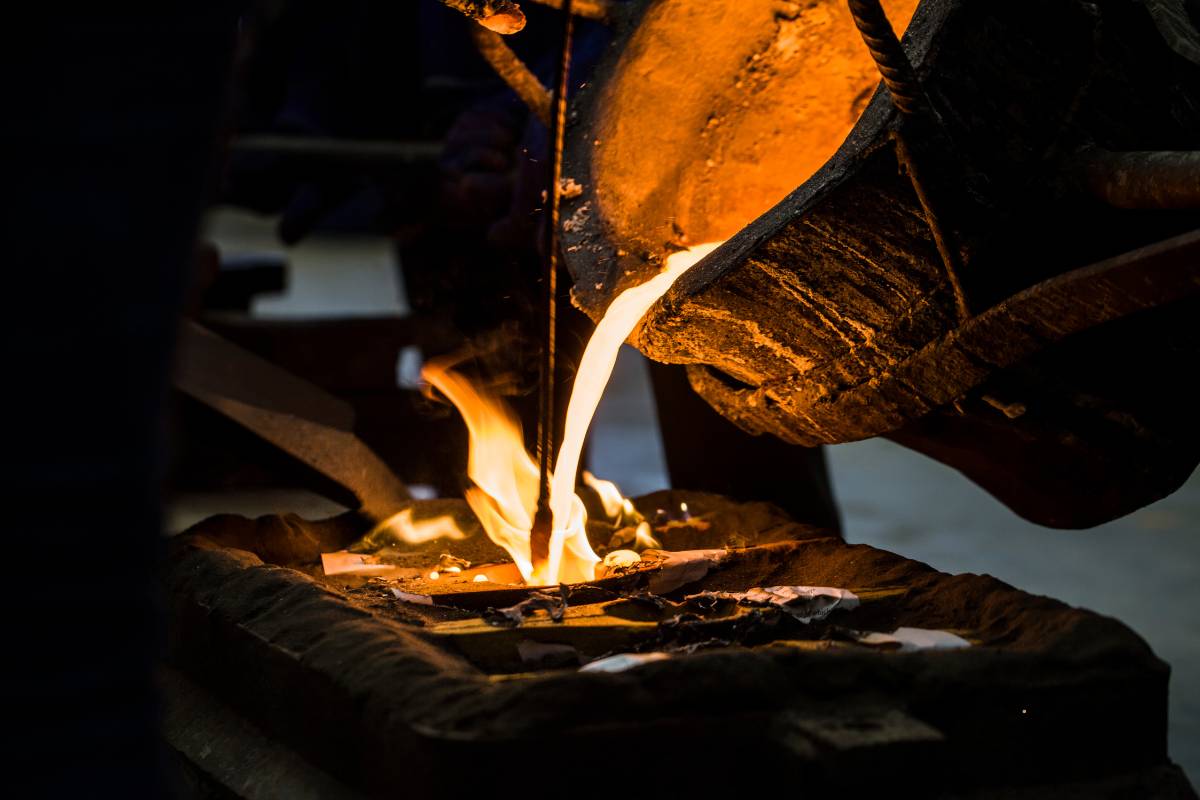
The Investment Casting Freedom: Investment casting utilizes a single-use ceramic shell that can withstand extreme temperatures. This allows for unlimited material freedom. Uni Deritend casts:
Verdict: If your part requires steel, titanium, or superalloys for strength or corrosion resistance, Investment Casting is the only option.
While die casting wins on pure speed for massive volumes, the advantages of investment casting over die casting become clear when performance and complexity are paramount.
Design Complexity & Undercuts Die casting requires a rigid steel mold that must open and close to eject the part. This limits design geometry; you cannot easily cast parts with complex internal passages or undercuts without expensive slide cores.
Tooling Costs
No Flash or Draft Angles Die cast parts often require draft angles (taper) to eject from the mold, and “flash” (excess metal) must be trimmed. Investment casting requires little to no draft and produces clean parts without flash lines, maintaining better aesthetic and dimensional integrity.
The economics of investment casting vs. die casting depend entirely on volume.
Connect with our experts for quick, reliable answers.
Both processes deliver excellent near-net-shape results, but there are nuances.
You should choose Uni Deritend and the investment casting process if:
The gap is narrowing. Uni Deritend is adopting Rapid Investment Casting techniques that mimic the speed of die casting through automation. Meanwhile, die casting is exploring vacuum techniques to reduce porosity. However, the fundamental material constraint of die casting (no steel) remains its biggest hurdle. For high-performance industrial applications, investment casting remains the gold standard.
Frequently Asked Question on Oil Difference Between Investment Casting And Die Casting
The main difference is the mold and material. Die casting uses reusable steel molds and is limited to non-ferrous metals like aluminum. Investment casting uses disposable ceramic molds and can cast any metal, including steel and superalloys.
For high volumes (10,000+), die casting has a lower unit cost but high initial tooling cost. For low-to-medium volumes, investment casting is cheaper due to significantly lower tooling costs and the ability to produce complex shapes without machining.
No, you cannot die cast stainless steel efficiently. The high melting temperature of steel would damage reusable die casting molds. Investment casting is the standard process for manufacturing precision stainless steel components.
Investment casting uses a ceramic shell that is broken away from the part, allowing for undercuts, internal cavities, and complex geometries. Die casting requires rigid molds that must open to eject the part, limiting design freedom.
Generally, yes. Investment castings are denser and have less porosity than die castings, making them stronger and suitable for heat treatment. Die castings often contain trapped air, which can weaken the part and prevent welding.
Investment casting typically provides a superior surface finish with no parting lines or flash. While die casting offers good finishes, it often requires trimming and has visible seam lines from the mold halves.
Talk to Uni Deritend’s Experts – Delivering Over 45 Years of Engineering Excellence Since 1977.
Let us evaluate your design and help you choose the precise manufacturing path for your project.
👉 Get Quote on WhatsApp